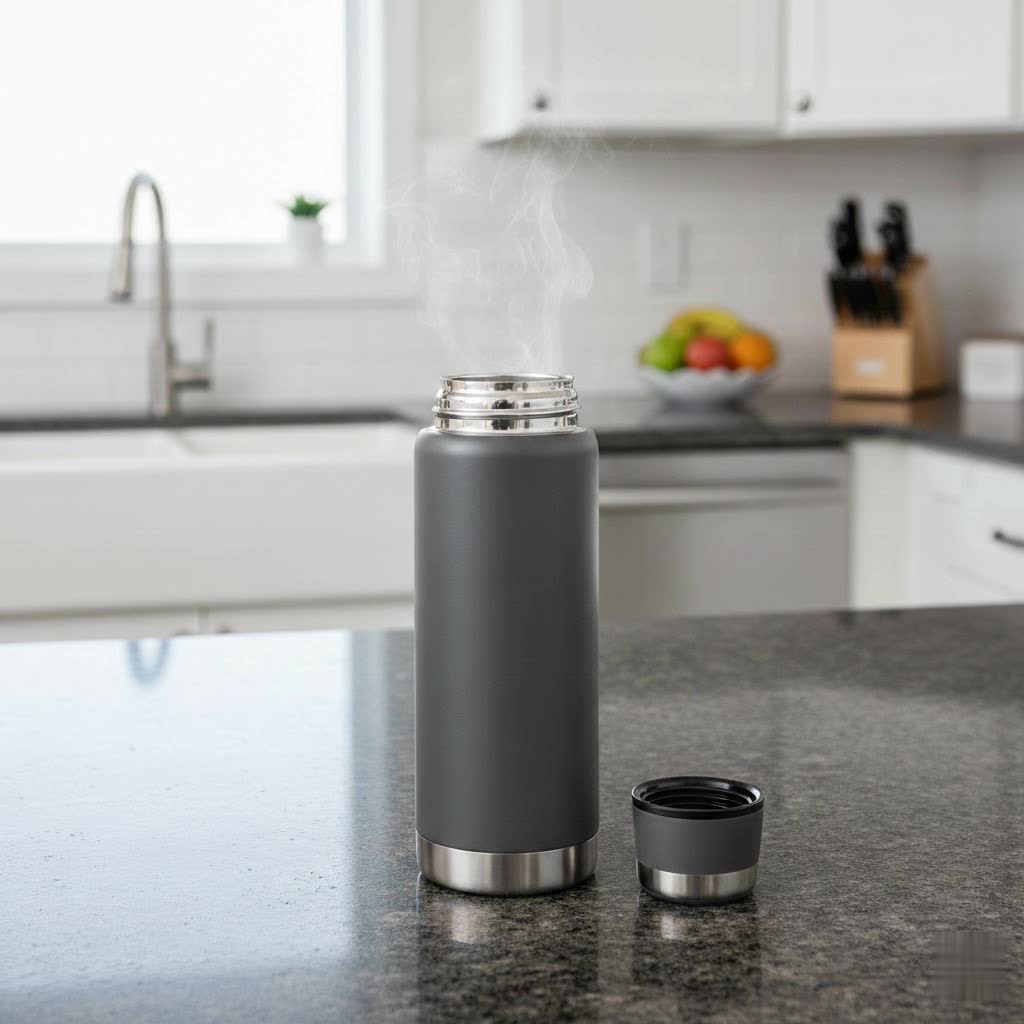
A dented thermos bottle can be a real nuisance. That favorite companion, once sleek and reliable, now bears an unsightly mark, raising questions about its efficiency and appearance. While thermos bottles are designed for durability, accidental drops and impacts are almost inevitable, leaving behind cosmetic blemishes or even compromising insulation. The good news is that many dents in your cherished stainless steel thermos bottle can be safely and effectively repaired right in your own home. This guide will walk you through proven DIY methods, help you assess the damage to your thermos bottle, and provide crucial safety tips, ensuring you can restore its look and function without needing a costly replacement.
Understanding Dents and Your Thermos Bottle
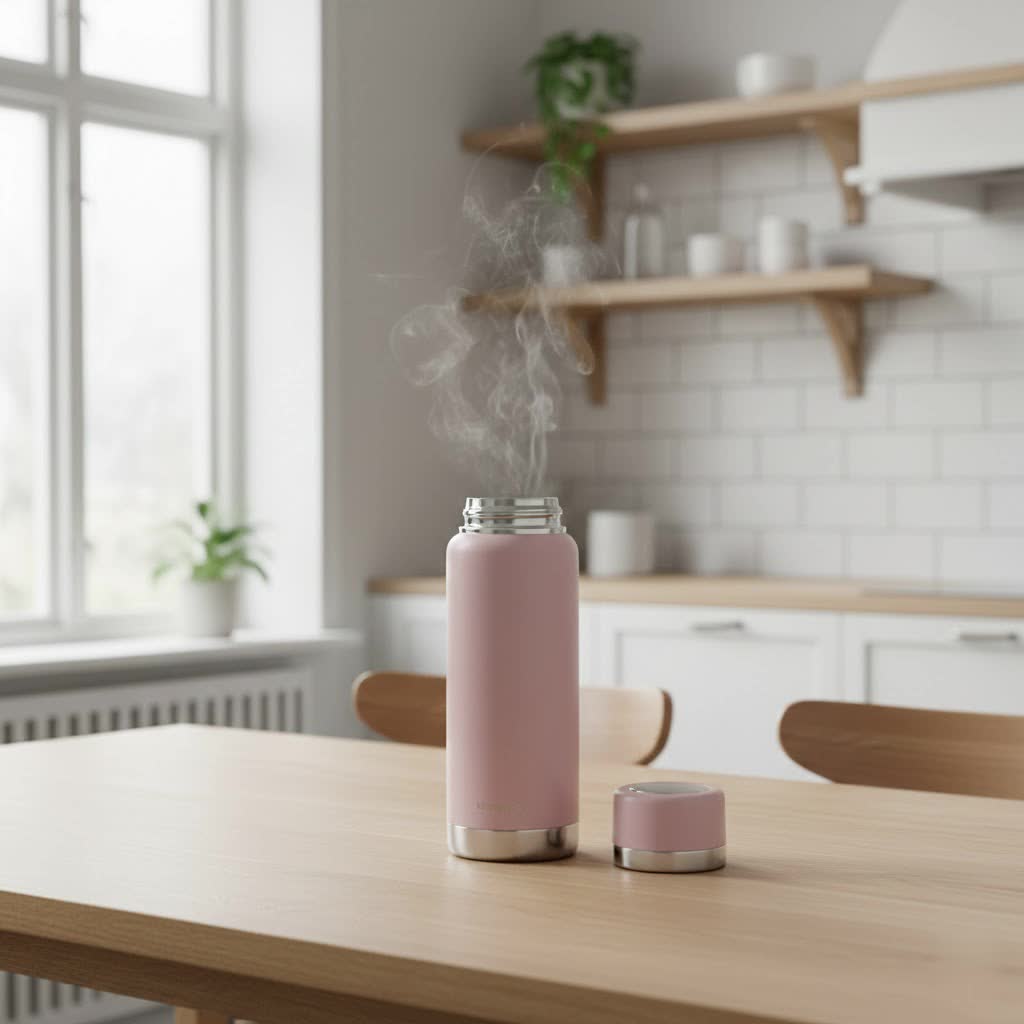
Before diving into repair methods for your thermos bottle, it’s essential to understand its construction and how dents can impact it. Most modern thermos bottles feature a double-walled, vacuum-insulated design. This means there are two layers of stainless steel with a vacuum (a space devoid of air) between them. This vacuum acts as a powerful insulator, drastically reducing heat transfer by conduction and convection, keeping your beverages hot or cold for hours.
The Anatomy of a Thermos Bottle
|
Our Picks for the Best Thermos bottle in 2026
As an Amazon Associate I earn from qualifying purchases.
|
||
| Num | Product | Action |
|---|---|---|
| 1 | Thermos Vacuum Insulated 16 Ounce Compact Stainless Steel Beverage Bottle |

|
| 2 | Milton Thermosteel Flip Lid 1000, Double Walled Vacuum Insulated Thermos 1000 ml | 34 oz | 1 Ltr | 24 Hours Hot and Cold Water Bottle with Cover, Stainless Steel, BPA Free,Leak Proof | Silver |
|
| 3 | THERMOS FUNTAINER Water Bottle with Straw - 12 Ounce - Kids Stainless Steel Vacuum Insulated Water Bottle with Lid, Blue/Green |
|
| 4 | THERMOS ICON SERIES Stainless Steel Water Bottle with Spout - 24 Ounce, Granite - Vacuum Insulated Water Bottle with Lid |
|
| 5 | Zojirushi Stainless Steel Mug, 16oz, Smoky Blue |
|
| 6 | Stanley Heritage Classic Vacuum Bottle with Handle 1.1 qt | Wide Mouth w/Leakproof Cup Lid | Keep Drinks Hot or Cold | Insulated Stainless Steel Thermal Bottle | BPA-Free | Hammertone Green |
|
| 7 | Thermos 2465SSB6 Hydration Bottle, 18 Ounce, Slate Blue |
|
| 8 | THERMOS Stainless King Vacuum-Insulated Beverage Bottle, 40 Ounce, Midnight Blue |
|
| 9 | THERMOS Stainless King Vacuum-Insulated Compact Bottle, 16 Ounce, Matte Steel |
|
| 10 | ThermoFlask Stainless Steel Water Bottles 2-Pack - Double-Wall Vacuum Insulated 24 oz BPA-Free Spout Lids - Keeps Drinks Cold 24 Hrs, Hot 12 Hrs - Leakproof, Dishwasher Safe, Mayan Blue/Black |
|
A high-quality thermos bottle relies on its robust stainless steel construction, typically SUS304 or SUS316, and the integrity of its vacuum seal. The outer and inner walls work in tandem to maintain temperature. Any impact that deforms these walls, especially causing contact between them or cracking the seal, can diminish the bottle’s insulating capabilities.
Types of Dents
Dents vary in severity and location, which influences the repair approach:
- Minor Surface Dents: These are often shallow and primarily cosmetic, not usually affecting the thermos bottle’s performance.
- Moderate Dents: Deeper than surface dents, they might affect the bottle’s stability (making it wobble) or appearance but often leave the vacuum seal intact.
- Severe Dents: Characterized by deep creases, sharp edges, or deformation that visibly warps both inner and outer walls. These are the most concerning as they have the highest potential to compromise the thermos bottle’s crucial vacuum seal.
Assessing the Damage: When is Repair Possible?
Determining whether your dented thermos bottle is a candidate for home repair requires a quick assessment. The primary concern is always the integrity of the vacuum seal. If this seal is broken, no amount of dent removal will restore its insulating power.
- Perform a Hot Water Test: Fill your thermos bottle with boiling water, seal it, and wait for about 15-20 minutes. Then, feel the outer wall of the bottle, especially around the dented area. If the outside of the bottle feels significantly hot to the touch, it’s a strong indicator that the vacuum seal has been compromised, and heat is escaping. In such cases, home repair for insulation loss is unlikely to be effective. However, if it remains cool, the insulation is likely still functional, and a cosmetic repair is viable.
- Visual Inspection: Carefully check for any visible cracks, punctures, or sharp creases in the stainless steel. Even small perforations can breach the vacuum. If you find any, the bottle is likely beyond repair.
- Location Matters: Dents on the flat, smooth areas of the thermos bottle are generally easier to repair than those near the base, rim, or complex curves. Dents at the very bottom that cause wobbling are also common targets for repair.
- Listen for “Clunks”: If you heard a distinct “clunk” sound when the thermos bottle was dropped, it might indicate internal damage or a broken vacuum seal, even if the external dent appears minor.
Essential Safety Precautions Before You Begin
Attempting to repair a dented thermos bottle involves working with extreme temperatures and potentially delicate materials. Prioritizing safety is paramount to prevent injury and further damage to your thermos bottle.
- Protect Your Hands: Always wear heat-resistant gloves when handling boiling water or using a hairdryer for prolonged periods. For methods involving ice or dry ice, insulated gloves are crucial to protect against frostbite.
- Eye Protection: While less common, there’s always a slight risk of splashing hot water or minor debris. Safety glasses are a sensible precaution.
- Stable Work Surface: Ensure you have a clean, stable, and heat-resistant surface to work on. Avoid cluttered areas where spills or accidents could occur.
- Ventilation: If using compressed air, ensure you are in a well-ventilated area.
- Mind the Vacuum Seal: Be gentle with insulated thermos bottles. Excessive force or improper use of tools can inadvertently damage the internal structure or break the vacuum seal, rendering the bottle useless for insulation.
- Controlled Expansion Warning: The freezer method, while effective, carries a significant risk of bottle rupture if not performed precisely. Never overfill the thermos bottle when attempting this method.
Step-by-Step DIY Methods for Dented Thermos Repair
Several common DIY techniques leverage the properties of stainless steel to gently push or pull dents out of your thermos bottle. Always start with the least aggressive method and proceed with caution.
Method 1: The Boiling Water & Ice Bath Technique
This popular method utilizes rapid temperature changes to make the metal expand and contract, encouraging the dent to pop back into place. It’s often effective for shallow to moderate dents in various locations.
Materials Needed:
- Kettle or pot for boiling water
- Large bowl or basin for ice water
- Ice cubes
- Tongs or heat-resistant gloves
- Clean cloths
Detailed Steps:
- Clean the Bottle: Ensure your thermos bottle is empty and thoroughly clean.
- Heat the Dent: Boil a kettle of water. Carefully pour the boiling water directly onto the dented area of the thermos bottle, or submerge just the dented section in a pot of boiling water for about 3-5 minutes. The goal is to heat the metal thoroughly, causing it to expand.
- Prepare Ice Bath: While the bottle is heating, fill a large bowl with ice water. The colder, the better.
- Rapid Cooling: Using tongs or protective gloves, quickly transfer the heated, dented section of the thermos bottle into the ice bath. The sudden exposure to cold will cause the expanded metal to contract rapidly, often pulling the dent outward.
- Observe and Repeat: You might hear a faint “pop” as the dent comes out. If the dent is still visible, you can gently massage the area with your hands while it’s in the ice bath. You may need to repeat the heating and cooling process several times for stubborn dents.
- Dry and Inspect: Once satisfied, dry your thermos bottle and inspect the results.
Method 2: Hair Dryer and Ice Cubes
Similar to the boiling water method, this technique offers more localized heat control, which can be useful for specific dented areas.
Materials Needed:
- Hair dryer (high heat setting)
- Ice cubes or a bag of crushed ice
- Protective gloves
- Clean cloth
Detailed Steps:
- Clean the Bottle: Start with an empty, clean thermos bottle.
- Heat the Dent: Direct the hot air from the hair dryer onto the dented area. Keep the dryer moving to distribute heat evenly, and continue until the metal is warm to the touch (around 3-5 minutes).
- Apply Cold: Immediately after heating, place ice cubes directly onto the heated dent. Rub them over the area using protective gloves or a thick cloth. The rapid cooling will cause the metal to contract, hopefully popping the dent out.
- Gentle Pressure: While applying the ice, you can also gently apply some outward pressure around the dent with your fingers to assist the process.
- Repeat as Needed: For deeper or more stubborn dents, repeat the heating and cooling cycle multiple times.
Method 3: The Controlled Freezer Expansion Method
This method leverages the expansion of freezing water to push out dents from the inside. It’s particularly effective for dents on the bottom or lower sides of the thermos bottle.
Materials Needed:
- Water
- Freezer
Crucial Safety Warnings: This method requires extreme precision. Overfilling the bottle can cause it to rupture as water expands significantly when freezing, potentially damaging the thermos bottle beyond repair.
Detailed Steps:
- Clean and Fill (Precisely!): Ensure your thermos bottle is completely clean and empty. Fill the bottle exactly 90-95% full with water. It is critical to leave enough space for the water to expand into ice without creating excessive pressure. If possible, lay the bottle on its side in the freezer with the air bubble centered over the dent to maximize pressure on the affected area.
- Freeze Carefully: Place the bottle in the freezer. Monitor it closely. The freezing process can take several hours or overnight.
- Observe for Dent Pop: As the water freezes and expands, it will exert outward pressure on the inner walls of the thermos bottle, potentially pushing the dent out.
- Remove Promptly: As soon as the dent pops out or you notice significant outward pressure, remove the bottle from the freezer. Do not wait for it to freeze solid if the dent has popped, to prevent over-expansion.
- Thaw and Empty: Allow the ice to melt naturally or run warm water over the bottle to speed up thawing, then empty and clean it.
- Inspect: Check the dented area. You may need to repeat with slightly more or less water if the dent is still present and the vacuum seal is confirmed intact.
Method 4: Suction Cup or Plunger Technique
For larger, shallower dents, the simple power of suction can be surprisingly effective. This method is generally safe for all types of thermos bottles as it doesn’t involve extreme temperatures.
Materials Needed:
- Small suction cup (e.g., from a car phone holder) or a small bathroom plunger
- A little water (optional, to improve seal)
Detailed Steps:
- Clean Surface: Ensure the dented area and the rim of the suction cup are clean and free of debris.
- Apply Suction: Moisten the edges of the suction cup or plunger slightly with water to create a better seal. Place the suction cup firmly over the center of the dent.
- Pull Gently: Apply steady, gentle outward pressure on the handle of the suction cup or plunger. You should feel the dent starting to pull outward.
- Pop it Out: Continue pulling until the dent pops out. You may need to reposition the suction cup and try a few times. This method works best on relatively flat, smooth dents without sharp creases.
Method 5: Compressed Air with Partial Freezing
This method combines internal pressure from frozen water with a sudden temperature drop to create a powerful outward force on the dent.
Materials Needed:
- Water
- Freezer
- Can of compressed air (used for cleaning electronics)
- Protective gloves
Detailed Steps:
- Partial Freeze: Fill your thermos bottle partially with water (e.g., 25-30%) and place it in the freezer until the water is mostly frozen, but not completely solid. This creates some internal pressure.
- Rapid Cooling and Pressure: Remove the bottle from the freezer. Immediately, wearing protective gloves, spray compressed air directly onto the dented area. The sudden blast of extremely cold air will cause the metal to contract rapidly. The existing internal pressure from the partially frozen water, combined with the external contraction, can help to pop the dent out.
- Observe and Repeat: Inspect the dent. If it hasn’t fully popped out, you can repeat the process, focusing the compressed air on different parts of the dent.
A Quick Comparison of Dent Repair Methods
Choosing the right method for your dented thermos bottle depends on the type of dent and your comfort level. This table provides a quick overview.
| Method | Best for Dent Type | Difficulty | Success Rate | Key Risks |
|---|---|---|---|---|
| Boiling Water & Ice Bath | Shallow to moderate, external | Easy | High | Scalding, minor heat damage to finish |
| Hair Dryer & Ice Cubes | Localized, shallow to moderate | Easy | Medium-High | Minor heat damage to finish, frostbite |
| Controlled Freezer Expansion | Bottom/lower side dents | Moderate | Medium | Bottle rupture if overfilled, vacuum seal compromise |
| Suction Cup/Plunger | Large, shallow, flat dents | Easy | Medium | Ineffective on sharp creases or small dents |
| Compressed Air & Partial Freeze | Stubborn, moderate dents | Moderate | Medium | Frostbite, potential for localized damage if not careful with compressed air |
When to Consider Professional Help or Replacement
While many dents are fixable, there are instances where repairing your thermos bottle at home might not be the best solution. Understanding these limitations can save you time, effort, and potential disappointment.
Signs of a Compromised Vacuum Seal
The most critical factor is the integrity of the vacuum insulation. If the hot water test reveals a hot outer surface, your thermos bottle has lost its insulating properties. Unfortunately, once the vacuum seal is broken, it’s virtually impossible to restore it at home without specialized equipment. In such cases, the thermos bottle will no longer keep beverages hot or cold effectively.
Deep Creases, Punctures, or Cracks
Severe damage, such as deep creases that permanently deform the metal, visible cracks, or punctures, indicates structural failure. Attempting to repair these at home could weaken the bottle further or even introduce health risks if the inner lining is compromised. These types of dents often mean the bottle is irreparable.
Warranty Considerations
Most major thermos bottle brands, like Hydro Flask and Yeti, offer limited lifetime warranties. However, these warranties typically cover manufacturing defects (e.g., faulty insulation, leaking lids) and not accidental damage such as dents from drops. While some manufacturers might offer replacements if a dent has compromised the vacuum insulation, it’s not a guaranteed solution. Always check your specific brand’s warranty policy.
The Cost-Benefit Analysis of Repair vs. New
Consider the age and original cost of your thermos bottle. If it’s an old, inexpensive model with significant damage, the effort and time invested in repair might outweigh the cost of a new, fully functional thermos bottle. For a beloved, high-quality thermos bottle, however, a successful home repair can extend its life and save money. Ultimately, if the insulation is lost, the thermos bottle has ceased to fulfill its primary function, making replacement the more practical choice.
Tips for Preventing Future Dents
Prevention is always better than cure, especially when it comes to keeping your thermos bottle in pristine condition.
- Utilize Protective Sleeves or Boots: Silicone boots, neoprene sleeves, or other protective covers can absorb impacts and provide an extra layer of defense against dents and scratches. Many brands offer custom-fit accessories for their thermos bottles.
- Handle with Care: The most straightforward advice is often the most effective. Avoid dropping your thermos bottle, especially on hard surfaces like concrete or asphalt.
- Secure Placement: When traveling or commuting, place your thermos bottle in a cup holder or a secure compartment where it won’t roll around or fall out. Avoid tossing it loosely into bags where it can collide with other hard objects.
- Proper Storage: Store your thermos bottle upright in a safe place when not in use, away from edges where it could be easily knocked over.
Conclusion
A dented thermos bottle doesn’t necessarily spell the end for your trusty hydration companion. With a little patience and the right approach, many common dents can be safely repaired at home, restoring both the aesthetics and functionality of your thermos bottle. By understanding the different types of dents, assessing the vacuum seal, and carefully following proven DIY methods like the boiling water and ice bath technique or the controlled freezer expansion, you can often bring your thermos bottle back to life. Always prioritize safety, and remember to distinguish between minor cosmetic flaws and more severe damage that may have compromised the bottle’s crucial insulation. If the vacuum seal is truly broken, it might be time to consider a new thermos bottle.
Which method will you try first to give your trusty thermos bottle a new lease on life?
Frequently Asked Questions
Will a dented thermos bottle lose its insulation?
Not necessarily. Minor, shallow dents typically won’t affect a thermos bottle’s insulation. However, deep or severe dents, especially those that deform both inner and outer walls or cause a “clunk” sound, can compromise the vacuum seal and lead to a significant loss of insulation.
Is it safe to put boiling water in a dented thermos?
Yes, it is generally safe to put boiling water into a dented stainless steel thermos bottle for the purpose of repair, as stainless steel is designed to handle high temperatures. However, use caution and wear protective gloves to prevent scalding when handling the hot bottle.
Can deep dents be repaired at home?
Deep dents are more challenging to repair at home and carry a higher risk of damaging the thermos bottle further, especially if they have affected the vacuum seal or created sharp creases. While some methods might offer minor improvement, very severe dents often require professional tools or indicate the bottle is beyond effective home repair.
Do thermos bottle warranties cover dents?
Most thermos bottle warranties, including those from popular brands like Hydro Flask and Yeti, typically do not cover dents. Dents are usually classified as accidental damage rather than manufacturing defects. However, if a dent has directly led to a failure of the vacuum insulation, some brands may consider it for replacement under specific conditions.
How do I know if the vacuum seal is broken?
The simplest way to check if the vacuum seal of your thermos bottle is broken is by performing a hot water test. Fill the bottle with boiling water, seal it, and wait 15-20 minutes. If the outer wall of the bottle, particularly around the dent, feels significantly hot, it indicates that heat is transferring through, and the vacuum seal is compromised.