The sweltering heat inside a parked car can turn a refreshing bottle of water into an unappealing lukewarm drink in minutes. Staying hydrated, especially on long commutes or road trips, is crucial for your health and comfort. But how do you ensure your water remains ice-cold, even when your car feels like an oven? It’s a common challenge for drivers everywhere, but with the right strategies and gear, you can enjoy perfectly chilled water throughout your hottest journeys. This comprehensive guide will equip you with all the knowledge you need to beat the heat and keep your hydration on point.
Understanding the Challenge: Why Your Car Becomes a Heat Trap
Before diving into solutions, it’s essential to understand why car interiors become so incredibly hot. The greenhouse effect is the primary culprit. Sunlight passes through your car’s windows, heating up the interior surfaces. These surfaces then radiate heat, but the heat gets trapped inside because it cannot easily escape back through the glass. This continuous cycle rapidly elevates the cabin temperature, creating a hostile environment for anything you want to keep cool, especially your water bottles.
Choosing the Right Insulated Gear: Your First Line of Defense
The foundation of keeping water cold in a hot car lies in superior insulation. Not all containers are created equal, and investing in high-quality gear is paramount.
Thermos Bottles and Insulated Water Bottles
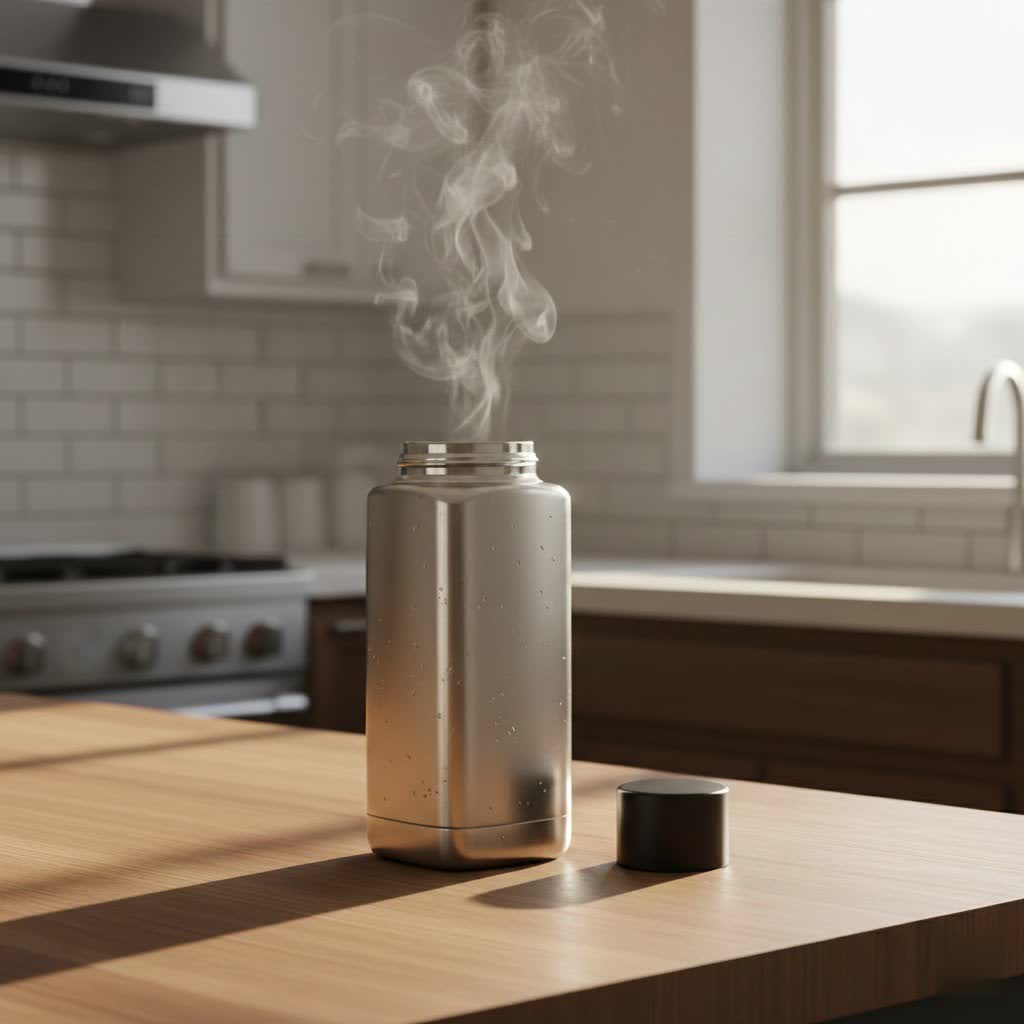
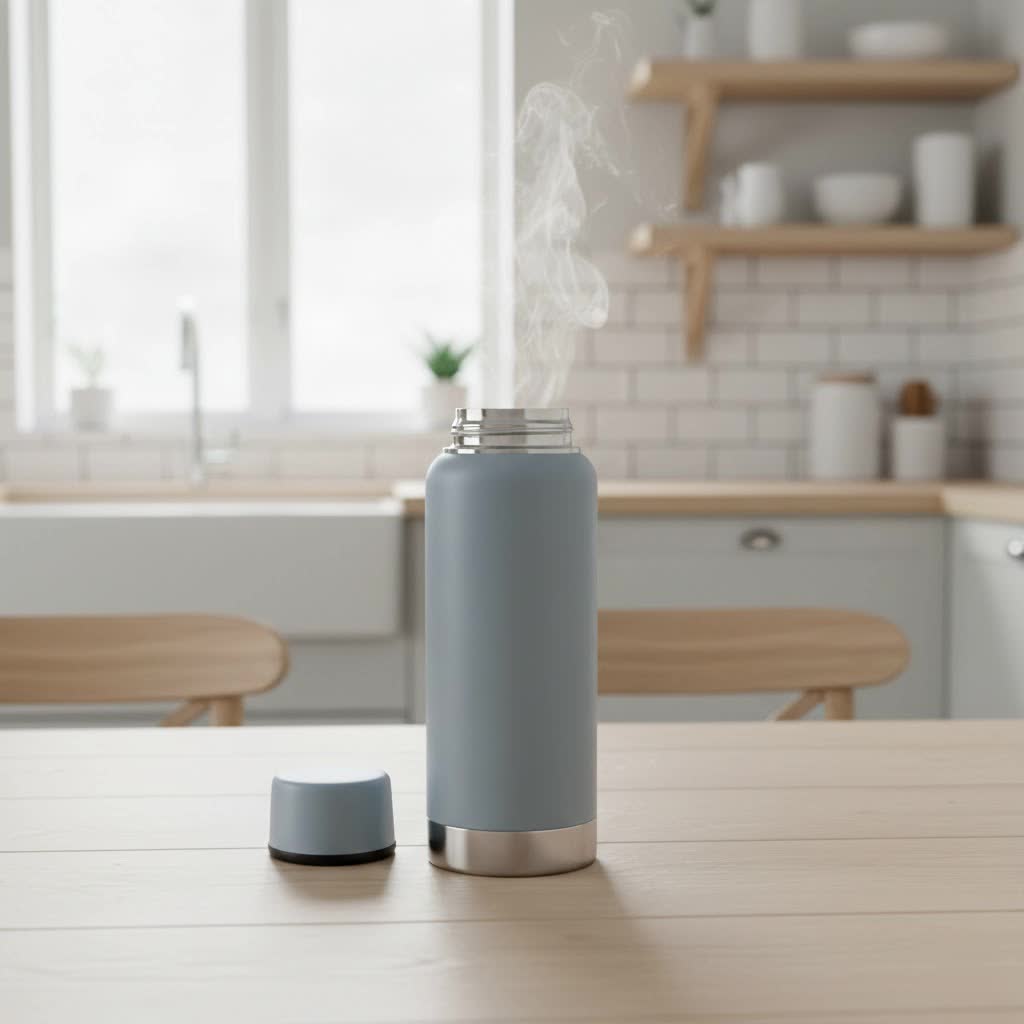
These are arguably the most effective solution for personal hydration. Modern insulated bottles feature double-walled, vacuum-sealed construction, which drastically reduces heat transfer. The vacuum layer between the inner and outer walls acts as an excellent thermal barrier, keeping cold liquids cold for many hours, sometimes even days.
- Materials: Most high-performance insulated bottles are made from food-grade stainless steel, which is durable, resistant to corrosion, and doesn’t leach chemicals into your water, even when exposed to high temperatures.
- Lid Types: Look for bottles with leak-proof lids that seal tightly. Options include screw-on caps, chug caps for quick sips, and straw lids for convenience while driving. A well-designed lid is crucial to preventing heat from entering through the opening.
- Popular Brands: Brands like Hydro Flask, RTIC, Stanley, YETI, Owala, and Zojirushi are highly regarded for their ice retention capabilities and robust construction. Many of these brands design bottles that fit perfectly in car cup holders, making them ideal for daily use.
|
Our Picks for the Best Thermos bottle in 2026
As an Amazon Associate I earn from qualifying purchases.
|
||
| Num | Product | Action |
|---|---|---|
| 1 | Milton Thermosteel Flip Lid 1000, Double Walled Vacuum Insulated Thermos 1000 ml | 34 oz | 1 Ltr | 24 Hours Hot and Cold Water Bottle with Cover, Stainless Steel, BPA Free,Leak Proof | Silver |

|
| 2 | Zojirushi Stainless Steel Mug, 16oz, Smoky Blue |
|
| 3 | ThermoFlask Stainless Steel Water Bottles 2-Pack - Double-Wall Vacuum Insulated 24 oz BPA-Free Spout Lids - Keeps Drinks Cold 24 Hrs, Hot 12 Hrs - Leakproof, Dishwasher Safe, Mayan Blue/Black |
|
| 4 | Thermos Vacuum Insulated 16 Ounce Compact Stainless Steel Beverage Bottle |
|
| 5 | Thermos 2465SSB6 Hydration Bottle, 18 Ounce, Slate Blue |
|
| 6 | THERMOS Stainless King Vacuum-Insulated Compact Bottle, 16 Ounce, Matte Steel |
|
| 7 | THERMOS FUNTAINER Water Bottle with Straw - 12 Ounce - Kids Stainless Steel Vacuum Insulated Water Bottle with Lid, Blue/Green |
|
| 8 | THERMOS ICON SERIES Stainless Steel Water Bottle with Spout - 24 Ounce, Granite - Vacuum Insulated Water Bottle with Lid |
|
| 9 | Stanley Heritage Classic Vacuum Bottle with Handle 1.1 qt | Wide Mouth w/Leakproof Cup Lid | Keep Drinks Hot or Cold | Insulated Stainless Steel Thermal Bottle | BPA-Free | Hammertone Green |
|
| 10 | THERMOS Stainless King Vacuum-Insulated Beverage Bottle, 40 Ounce, Midnight Blue |
|
Coolers: For Larger Volumes and Extended Trips
If you need to keep a larger quantity of water or other beverages cold, or if you’re embarking on a multi-day road trip, a well-insulated cooler is your best friend.
- Soft-Sided Coolers: These are lighter and more portable, often suitable for a day trip or a few hours in the car. They typically offer good insulation and are easier to store when not in use.
- Hard-Sided Coolers: For maximum cold retention, especially in extreme heat, hard-sided coolers with thick, rotomolded construction are unmatched. Brands like YETI and RTIC are known for their ability to keep ice frozen for days.
- Ice Packs vs. Cubed Ice: While cubed ice is effective, it melts quickly and can create a watery mess. Reusable ice packs or block ice melt much slower, providing sustained cooling without the excess water.
Pre-Cooling Strategies for Maximum Chill
Even the best insulated gear performs better when properly prepared. Pre-cooling your containers and contents is a game-changer.
- Pre-Chill Your Bottle or Cooler: Before filling, chill your insulated bottle or cooler. You can do this by placing it in the refrigerator overnight or by filling it with ice water for about 15-30 minutes before your trip. This lowers the internal temperature of the container, so it doesn’t absorb cold from your fresh water.
- Start with Ice-Cold Water (or Ice): Always fill your insulated bottle with water that is already as cold as possible from your refrigerator. For ultimate cold retention, add ice cubes or, even better, block ice. Block ice melts slower than cubes, extending the cold.
- Freeze Water Bottles (with caution): Freezing plastic water bottles can provide a long-lasting ice source, but be mindful that frozen water is not immediately drinkable. Also, freezing bottles can cause condensation as they thaw, potentially leading to mold in your car if not managed. Some find that a completely frozen bottle is too cold at first, then not cold enough later in the day. A good thermos, starting with cold water and ice, often outperforms a frozen regular plastic bottle.
Smart Placement and Protection in Your Car
Where you place your water bottle in the car can significantly impact how long it stays cold.
- Avoid Direct Sunlight: This is crucial. Even the best insulated bottle will struggle if baking under direct sunlight on your dashboard or seat. Always place your bottle or cooler out of the sun’s path.
- Utilize Shaded Areas: The floor, under a seat, or inside the glove compartment can offer more protection from direct solar radiation. The car’s trunk might seem like a good option, but it can often get just as hot, if not hotter, than the cabin, so ensure any items stored there are well-insulated.
- Use Sunshades: A reflective windshield sunshade can dramatically reduce your car’s interior temperature by bouncing sunlight away, indirectly helping your water stay cold longer.
Advanced Tactics for Extreme Heat
When temperatures soar, you might need a few extra tricks up your sleeve.
- Double Insulation: For extended periods in extreme heat, consider placing your insulated water bottle inside a cooler. This creates a secondary layer of insulation, further protecting your water from the outside temperature.
- Evaporative Cooling (The Wet Towel Method): For a quick, low-tech solution for non-insulated bottles, wrap a wet towel around your water bottle. As the water from the towel evaporates, it draws heat away from the bottle, providing a temporary cooling effect. You’ll need to re-wet the towel periodically for continued effectiveness.
- Thermal Blankets or Insulated Bags: A small thermal blanket or an insulated grocery bag can be used to wrap around your bottle or a small cooler, adding another layer of thermal protection.
Thermos Bottle vs. Cooler: A Quick Comparison
| Feature | Insulated Water Bottle (Thermos) | Cooler (Hard-Sided) |
|---|---|---|
| Capacity | Personal (0.5L – 2L) | Group/Bulk (5L – 50L+) |
| Portability | Excellent, fits cup holders | Moderate to low, often requires trunk space |
| Cold Retention | Excellent for single beverages (6-24 hours) | Superior for bulk items, multi-day (24-120 hours) |
| Best Use | Daily commutes, personal hydration, short trips | Road trips, picnics, families, large quantities |
| Cost | Moderate to High | Moderate to Very High |
| Convenience | Easy access while driving | Requires opening/closing, potentially less accessible |
“The secret to enduring summer drives isn’t just about air conditioning; it’s about mastering the art of thermal management for your hydration. A quality vacuum-insulated bottle isn’t a luxury, it’s a necessity.” – Sarah Jenkins, Automotive Hydration Expert
Maintaining Your Cold Gear
To ensure your insulated bottles and coolers perform optimally for years, proper care is essential.
- Cleaning: Wash your bottles and coolers regularly with warm, soapy water. For bottles, use a bottle brush to reach the bottom and ensure all residues are removed. Pay special attention to lids and seals to prevent mold or mildew growth.
- Drying: Always allow your gear to air dry completely before storing to prevent odors and bacterial growth. Store bottles without their lids to ensure air circulation.
- Avoid Dishwashers (for some): Check manufacturer instructions. While many stainless steel bottles are dishwasher safe, some insulation technologies can be damaged by high heat. Hand washing is often recommended to preserve the vacuum seal and exterior finish.
Conclusion
Keeping your water cold in a hot car all day long is not just a comfort; it’s a critical component of staying healthy and alert on the road. By strategically combining high-quality insulated gear, smart pre-cooling techniques, and mindful in-car placement, you can conquer even the most scorching temperatures. Hydration should never be compromised, and with these expert tips, you’ll be well-equipped to enjoy refreshing, ice-cold water on every journey. What’s your go-to strategy for keeping cool when the heat is on?
Frequently Asked Questions
Why does my car get so hot, even on a mildly warm day?
Cars heat up rapidly due to the “greenhouse effect.” Sunlight passes through the windows and heats the interior surfaces. This heat then gets trapped inside the sealed cabin, leading to a quick and significant rise in temperature, often far exceeding the outside air temperature.
Is it safe to leave plastic water bottles in a hot car?
Leaving standard single-use plastic water bottles in a hot car for extended periods can pose health concerns. High temperatures can cause chemicals from the plastic to leach into the water. It’s best to use reusable, food-grade stainless steel or glass bottles for in-car hydration to avoid this risk.
How do vacuum-insulated bottles keep water cold for so long?
Vacuum-insulated bottles feature a double-walled construction with a vacuum between the two walls. This vacuum significantly reduces heat transfer by conduction and convection, effectively isolating the cold contents from the hotter external environment. This superior insulation allows liquids to maintain their temperature for many hours.