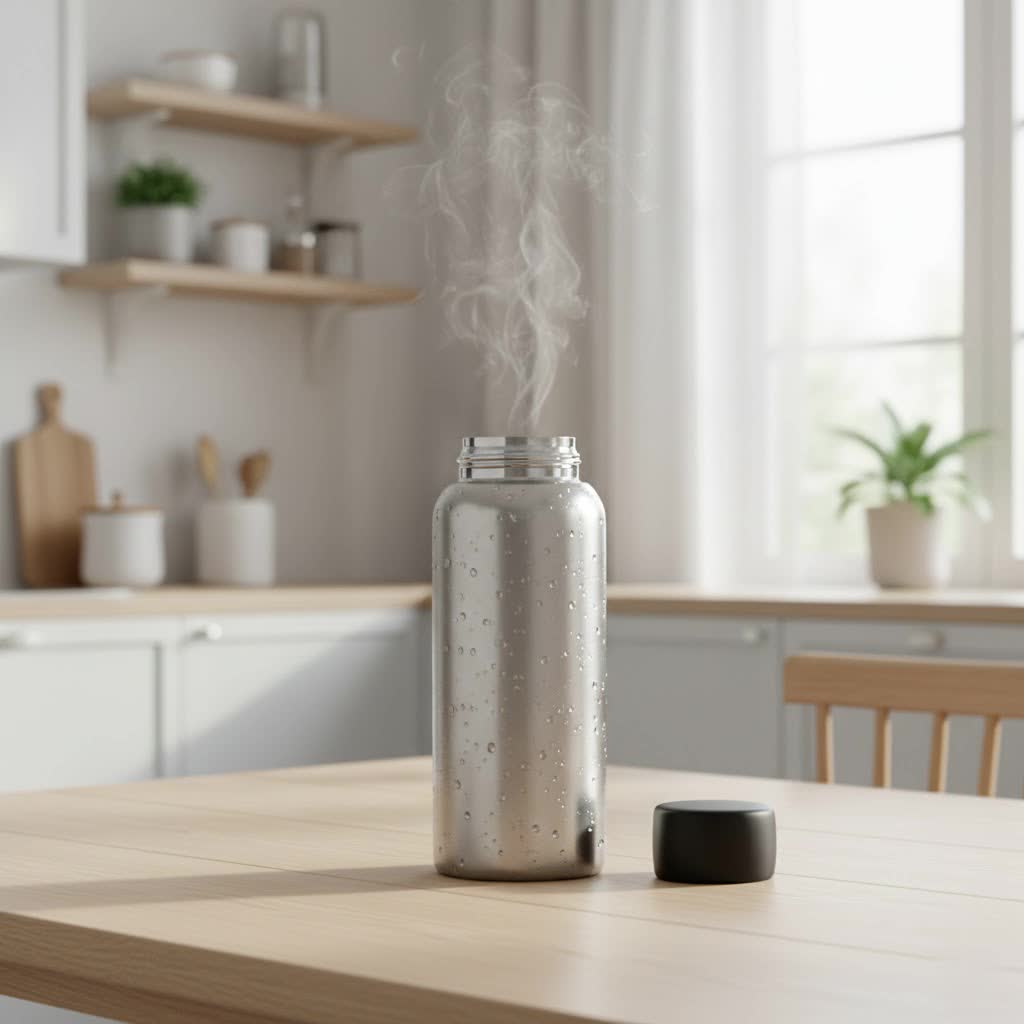
Have you ever wondered why your morning coffee or refreshing iced tea sometimes carries an unwanted aftertaste? In an increasingly health-conscious and eco-aware world, consumers are scrutinizing every aspect of their daily routines, including their beverage containers. This heightened awareness has propelled glass interior thermos bottles to the forefront of the market in 2026, marking a significant shift away from traditional plastic and even some metallic alternatives. This article delves into the multifaceted reasons behind the soaring popularity of glass-lined vacuum flasks, exploring their unparalleled advantages, comparing them with other materials, and guiding you toward the perfect choice for your needs.
The Resurgence of Glass: Understanding the 2026 Trend
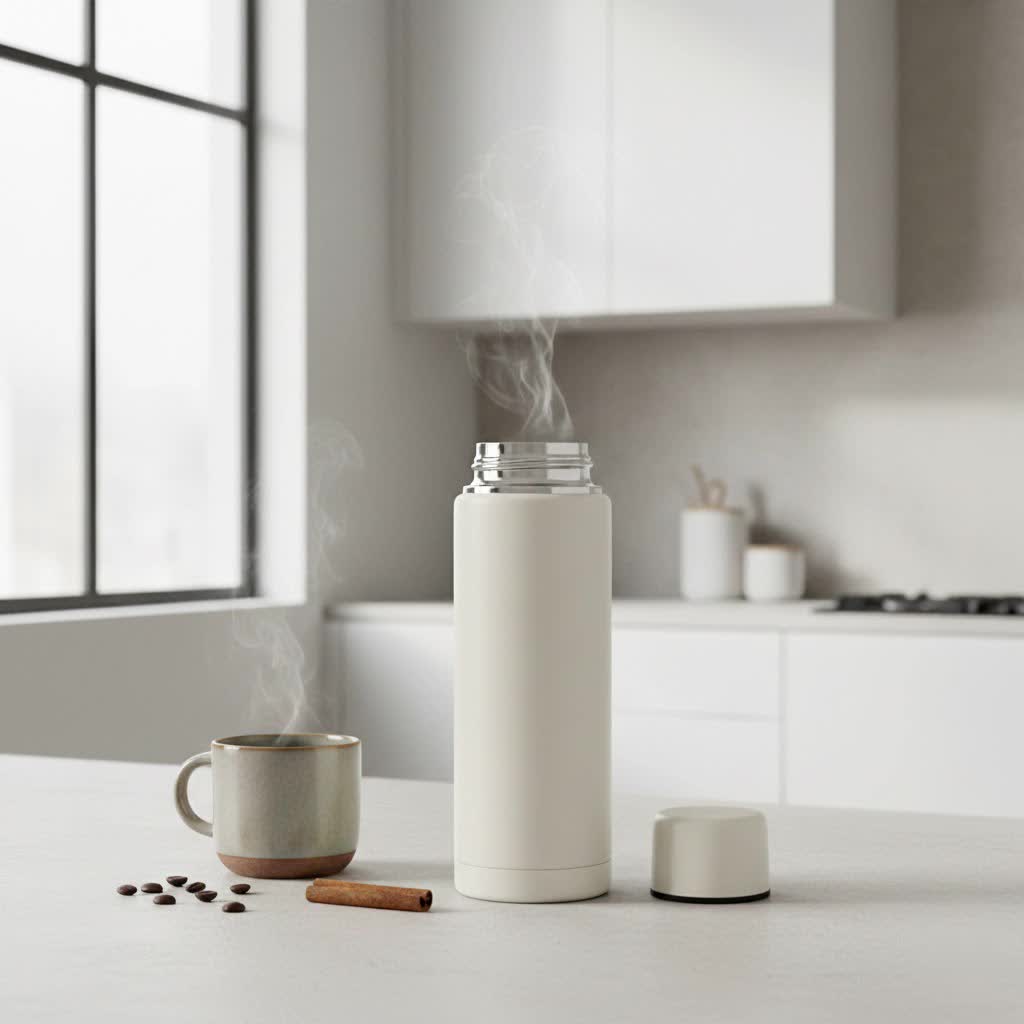
The market for beverage containers is undergoing a profound transformation, with glass interior thermos bottles leading the charge. This resurgence isn’t merely a fleeting fad; it’s driven by a confluence of evolving consumer values, stricter environmental regulations, and a growing appreciation for authentic product quality. In 2026, premium brands across various industries, including beverages and cosmetics, are transitioning back to glass packaging at record rates, often associating glass with higher quality and luxury. Younger buyers, particularly in regions like South Asia, East Asia, and the Middle East, are actively seeking sustainable packaging solutions and are willing to invest more in products that align with their environmental principles. Furthermore, regulators, especially in Europe, are implementing stricter laws on plastic waste, making glass a more attractive and sustainable long-term choice for manufacturers. This shift underscores a collective move towards materials that promise both health and environmental integrity, with glass firmly positioned as a standard for premium and responsible consumption.
Unpacking the Advantages of Glass Interior Thermos Bottles
The growing trend of glass interior thermos bottles is largely due to their superior performance across several key areas, addressing modern consumer demands for purity, health, and environmental responsibility.
Purity of Taste and Uncompromised Health Benefits
Table is empty.One of the most compelling reasons behind the embrace of glass interior thermos bottles is their ability to deliver an untainted beverage experience. Glass is an inert and non-reactive material, meaning it does not leach harmful chemicals such as BPA (Bisphenol A) or phthalates into your drinks, regardless of temperature fluctuations or prolonged storage. This chemical stability ensures that your water, coffee, tea, or any other beverage retains its pure, intended flavor and aroma, free from metallic or plastic aftertastes. For connoisseurs of fine teas and coffees, this preservation of true flavor is paramount. The non-porous surface of glass also means it won’t absorb odors or oils, allowing you to switch between different types of drinks without flavor carry-over. This makes cleaning a breeze, as a simple rinse with warm water and mild cleaner often restores the interior to a neutral state, preventing mixed odors over time.
Exceptional Thermal Insulation
Beyond purity, glass interior thermos bottles are highly effective at maintaining desired beverage temperatures. These flasks are typically designed with a double-wall construction, creating a vacuum between the inner and outer layers. This vacuum significantly reduces heat transfer through conduction and convection. Additionally, the inner glass surface is often silver-plated or mirrored, which helps reflect thermal radiation back into the container, further minimizing heat loss or gain. This advanced insulation technology ensures that hot drinks stay hot and cold drinks remain refreshingly chilled for extended periods, making them ideal companions for daily commutes, office use, or leisurely outings.
Environmental Sustainability at its Core
In an era defined by environmental urgency, the sustainability credentials of glass interior thermos bottles are a major draw. Unlike plastic, which degrades with each recycling cycle and often ends up in landfills or oceans, glass is infinitely recyclable without any loss of quality or purity. Made from abundant natural materials like quartz sand, glass offers a closed-loop material lifecycle. Choosing a reusable glass thermos significantly reduces reliance on single-use plastics, thereby contributing to a reduction in overall plastic waste and a smaller carbon footprint, especially when recycled glass is used in production. This eco-conscious aspect resonates deeply with consumers who prioritize minimizing their environmental impact.
Premium Aesthetic and Superior Hygiene
Glass interior thermos bottles often exude a sense of premium quality and sophistication. Their clean, transparent appearance allows users to see the contents, which can be both aesthetically pleasing and practical for monitoring hydration. This aesthetic appeal aligns with the “quiet luxury” trend in packaging, where quality materials and clever design take precedence over overt branding. From a hygiene perspective, the non-porous and smooth surface of glass is exceptionally easy to clean and sanitize. It resists stains and odors, ensuring that your bottle always looks and feels fresh. This transparency also removes any guesswork about whether the bottle is truly clean, offering peace of mind to health-conscious individuals.
“For the purest taste and a truly chemical-free experience, glass remains unmatched. It’s the material nature intended for our beverages.” – Dr. Alistair Finch, Environmental Health Specialist
Glass vs. The Competition: A Comparative Look
While glass interior thermos bottles offer compelling advantages, it’s essential to understand how they stack up against other popular materials like stainless steel and plastic.
Glass vs. Stainless Steel Thermos Bottles
Stainless steel thermos bottles are renowned for their durability and impact resistance. They are often the preferred choice for rigorous outdoor activities, travel, or situations where drops and bumps are likely. Stainless steel can withstand more severe environments and is less prone to shattering. However, some users report that stainless steel can impart a metallic taste to certain beverages, and it may absorb odors over time if not meticulously cleaned.
In contrast, glass interior thermos bottles excel in taste purity and hygiene, making them ideal for those who prioritize the unadulterated flavor of their drinks. While glass is more fragile, innovations like robust outer casings often provide added protection. For specific applications, new materials are also emerging:
- 316L Stainless Steel: For consumers seeking “cost-effective health,” 316L stainless steel is gradually replacing 304 stainless steel in 2026. This material offers twice the corrosion resistance of 304 stainless steel, making it safe for acidic beverages like fruit juices and carbonated drinks, and it is less prone to staining.
- Pure Titanium: Aerospace-grade pure titanium (TA1/GR9) is gaining traction in high-end markets. With a 99.8% antibacterial rate and no metallic taste, titanium avoids chemical reactions between the bottle and beverages, making it suitable for delicate preparations like infant formula and organic tea.
- Ceramic Coatings: Some stainless steel liners are being enhanced with ceramic coatings to help reduce residual odors and improve flavor neutrality.
| Feature | Glass Interior Thermos Bottle | Stainless Steel Thermos Bottle |
|---|---|---|
| Taste Purity | Excellent; inert, no chemical leaching, preserves flavor. | Good; can sometimes impart metallic taste or absorb odors. |
| Health Safety | Excellent; non-toxic, BPA-free, no chemical leaching. | Very Good; typically food-grade stainless steel. |
| Durability | Fragile; prone to breakage upon impact. | Excellent; highly resistant to drops and dents. |
| Cleaning Ease | Excellent; non-porous, resists odors/stains, often dishwasher-safe. | Good; can sometimes retain odors, requires thorough cleaning. |
| Sustainability | Excellent; infinitely recyclable, made from natural materials. | Very Good; durable, recyclable, but production can be energy-intensive. |
| Aesthetic | Premium, clear, elegant. | Modern, industrial, versatile. |
| Weight | Can be heavier. | Generally lighter, especially for larger capacities. |
Glass vs. Plastic Thermos Bottles
The comparison between glass and plastic is stark. While plastic bottles are often cost-effective and lightweight, they come with significant drawbacks. Concerns about chemical leaching (especially BPA and other endocrine disruptors), microplastic contamination, and the environmental burden of plastic waste are well-documented. Plastic degrades over time and with each recycling cycle, unlike glass which maintains its integrity indefinitely. The rising cost of recycled plastic, now 20% more than virgin plastic in some cases, further diminishes plastic’s appeal compared to more sustainable options like glass. For these reasons, glass is increasingly chosen by consumers who prioritize health and environmental responsibility over initial cost.
How to Choose the Right Glass Interior Thermos Bottle for Your Lifestyle
Selecting the ideal thermos bottle means aligning its features with your personal needs and habits. With the diverse options available in 2026, making an informed choice is key.
Determine Your Usage Needs
- For Everyday Commute and Office Use: If your primary use involves carrying hot coffee or tea to the office, a glass interior thermos bottle is an excellent choice. Its superior taste preservation and health benefits shine in these settings. You’ll appreciate the clean flavor and ease of cleaning after each use.
- For Travel and Light Outdoor Activities: While glass is more fragile than stainless steel, many glass interior thermoses come with protective outer shells (often stainless steel or durable plastic) that enhance their resilience. For less strenuous travel or picnics, these protected versions offer a great balance of purity and practicality.
- For Home Use: For keeping beverages hot or cold on your desk or at home, a glass interior thermos is unmatched in its ability to preserve flavor and ensure a chemical-free drinking experience.
Consider Material Priorities
- Purity and Health First: If your top priority is an untainted taste and avoiding any potential chemical interaction with your beverage, a glass interior is non-negotiable. It’s the safest choice for pure hydration.
- Durability and Portability: If you need a bottle that can withstand drops and impacts from an active lifestyle or frequent heavy travel, a robust stainless steel exterior protecting a glass interior is a good compromise. Alternatively, for extreme durability, newer 316L stainless steel or titanium-lined bottles might be more suitable, though they may not offer the exact same level of flavor neutrality as pure glass.
Capacity and Design
- Capacity: Glass interior thermos bottles come in various sizes. Smaller capacities (e.g., 300-500ml) are great for individual servings and easier portability, while larger ones (e.g., 750ml-1L) are suitable for longer durations or sharing.
- Design: Beyond functionality, the aesthetic appeal of a thermos can enhance your experience. Many glass interior options combine sleek design with practical features, making them a stylish accessory that reflects your commitment to quality and sustainability.
Tips for Maximizing the Life of Your Glass Interior Thermos Bottle
To ensure your glass interior thermos bottle serves you well for years to come, proper care and maintenance are crucial.
- Handle with Care: The most significant consideration for glass is its fragility. Always place your thermos gently on surfaces and avoid strong impacts or drops, especially when full. Consider models with a silicone sleeve or a robust outer casing for extra protection if you’re prone to accidental bumps.
- Pre-warm or Pre-cool: For optimal thermal performance and to prevent thermal shock, pre-warm your glass interior thermos with hot water before adding hot beverages, or pre-cool it with cold water before adding cold drinks. This gradual temperature change reduces stress on the glass.
- Regular Cleaning: Due to glass’s non-porous nature, cleaning is relatively simple. Use warm water and a mild dish soap. For thorough cleaning, a bottle brush can reach all interior surfaces. Rinse thoroughly to remove any soap residue. Glass is generally dishwasher-safe, but check manufacturer instructions for specific models, especially those with external decorations or materials.
- Avoid Abrasive Cleaners: Do not use abrasive brushes, scouring pads, or harsh chemical cleaners, as these can scratch or damage the glass interior.
- Storage: Store your thermos with the lid slightly ajar to allow for air circulation and prevent any residual moisture or odors from building up.
Where to Purchase Your Next Thermos Bottle
Finding a reliable glass interior thermos bottle is easier than ever in 2026, with numerous options available both online and in physical stores.
- Online Retailers: Websites like Amazon, specialty kitchenware stores, and direct-to-consumer brand sites offer a vast selection, often with detailed product descriptions and customer reviews. Always check the brand’s reputation and return policy.
- Department Stores and Home Goods Retailers: Many large department stores and home goods chains carry a range of thermos bottles, allowing you to see and feel the product before purchasing.
- Eco-Friendly and Sustainable Product Stores: Dedicated eco-conscious retailers often curate high-quality, sustainable options, including glass interior thermos bottles, emphasizing their environmental benefits.
When making a purchase, prioritize reputable brands known for quality construction and transparent material sourcing. Look for certifications that confirm safety standards and ethical manufacturing practices.
Conclusion
The rising trend of glass interior thermos bottles in 2026 is a clear indicator of evolving consumer priorities. From their unparalleled ability to preserve the pure taste of your beverages and ensure your health by avoiding chemical leaching, to their significant environmental advantages as infinitely recyclable materials, glass-lined vacuum flasks offer a compelling blend of benefits. While their fragility demands a bit more care compared to their stainless steel counterparts, the peace of mind that comes from enjoying uncontaminated drinks and contributing to a healthier planet often outweighs this drawback for discerning users. As we move further into the future, the demand for products that are both functional and ethically sound will only grow, solidifying the position of glass interior thermos bottles as a smart, sustainable, and superior choice for everyday hydration.
What innovations in beverage container materials do you anticipate will shape our choices in the years to come?
Frequently Asked Questions
Are glass interior thermos bottles as durable as stainless steel ones?
While stainless steel is generally more durable and impact-resistant, glass interior thermos bottles can be quite robust, especially those with protective outer casings. Their main vulnerability is direct impact, whereas stainless steel can withstand more rough handling. The trade-off is often durability for superior taste purity and health benefits.
Do glass interior thermos bottles keep drinks hot or cold as long as stainless steel ones?
Yes, high-quality glass interior Thermos Bottles with double-wall vacuum insulation are highly effective at maintaining beverage temperatures. Glass itself is a poor heat conductor, and combined with a vacuum layer and reflective silver plating, it can offer comparable or even superior thermal retention to stainless steel models.
Are glass interior thermos bottles truly safer than plastic ones?
Absolutely. Glass is an inert material that does not leach harmful chemicals like BPA, phthalates, or microplastics into your drinks, even when exposed to varying temperatures. Plastic, especially when heated or old, can release these substances, making glass a significantly safer and healthier option for long-term beverage storage.
Can I put acidic drinks like lemon water in a glass interior thermos bottle?
Yes, glass is non-reactive and inert, making it an excellent choice for acidic beverages such as lemon water, fruit juices, or vinegars. Unlike some metals that can react with acids and affect flavor or leach particles, glass preserves the integrity and taste of acidic drinks without any adverse interactions.
How do I clean a glass interior thermos bottle to avoid breakage?
Cleaning is straightforward. Use warm water and mild dish soap with a soft sponge or bottle brush. Avoid harsh abrasives or extreme temperature changes (e.g., pouring boiling water into a very cold bottle, or vice versa) to prevent thermal shock. Many are dishwasher-safe, but always check the manufacturer’s specific care instructions.