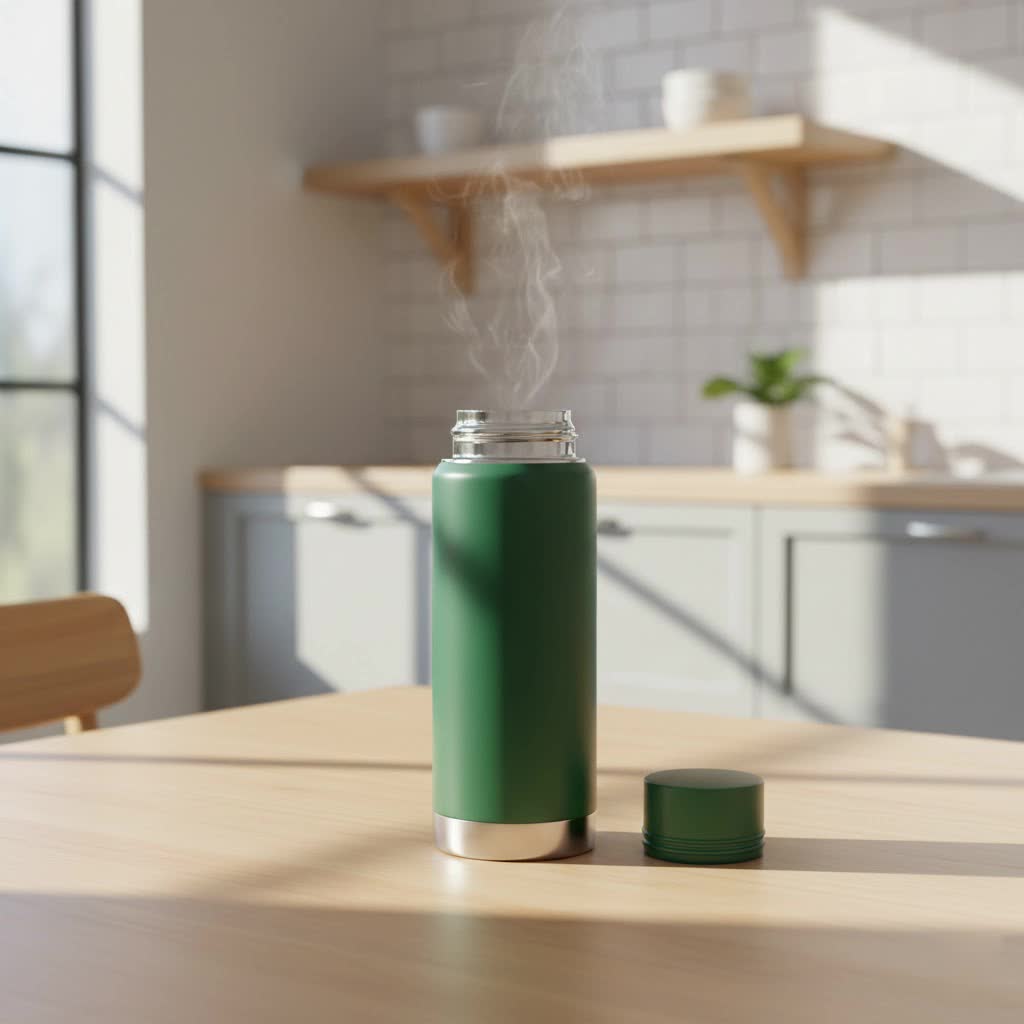
A broken thermos lid can turn your reliable beverage companion into a frustrating leak-prone container. Whether it’s a cracked cap, a faulty seal, or a broken pouring mechanism, a damaged lid often means your favorite hot coffee or cold water won’t stay at its ideal temperature for long. Fortunately, replacing a thermos lid is a straightforward process that can save you the cost of buying an entirely new bottle. This guide will walk you through everything you need to know, from identifying the right replacement to installing it correctly, ensuring your thermos is back to its prime.
Understanding Your Thermos Lid
Before diving into replacement, it’s crucial to understand the nuances of thermos lids. Not all lids are created equal, and compatibility is the cornerstone of a successful replacement.
Importance of Compatibility
Table is empty.Thermos lids are designed with proprietary threading, diameters, and sealing mechanisms unique to specific brands and often even specific models within a brand. Attempting to force an incompatible lid onto your thermos can lead to leaks, poor insulation, or even damage to the bottle’s neck. Always confirm compatibility to avoid frustration and ensure optimal performance.
How to Identify Your Thermos Model
To find the correct replacement lid, you first need to identify your thermos’s exact model. This information is typically found:
- On the bottom of the bottle: Look for a label or engraving that includes the brand name, model number, and sometimes the capacity.
- On the original packaging: If you still have it, the box will clearly state the model details.
- Manufacturer’s website: Many brands have customer service portals where you can search for parts based on product images or descriptions if the physical label is worn off.
Common Types of Thermos Lids
Thermos lids come in various designs, each offering different functionalities. Knowing your lid type will help you find a suitable replacement.
- Standard Screw Lids: These are the most common, twisting securely onto the thermos threads. They provide an excellent seal for leak prevention and insulation but usually require two hands to open fully.
- Insulated Lids: Featuring double-wall construction, these lids maximize thermal efficiency by minimizing heat transfer at the top. They are ideal for prolonged temperature retention, especially in extreme conditions.
- Flip-Top Lids: Designed for quick, one-handed access, these lids often have a simple press mechanism that opens easily and seals tightly when closed. They are popular for on-the-go use.
- Push-Button Lids: Similar to flip-tops, these lids feature a button that releases a spout or opening. They are often found on travel mugs and offer convenient, spill-resistant drinking.
- Screw Lids with Straws: Combining security with convenience, these lids allow sipping through a straw, making them great for cold beverages and preventing splashes.
Where to Find a Replacement Thermos Lid
Once you know your thermos model and lid type, the next step is sourcing a replacement. Accuracy here is key to ensuring a perfect fit and long-lasting performance.
- Official Manufacturer Websites: This is often the most reliable source for genuine replacement parts. Many brands offer a dedicated “parts and accessories” section.
- Authorized Retailers and Specialty Stores: Check with stores that specifically carry your thermos brand or kitchenware/outdoor gear shops. They might stock common replacement parts or be able to order them.
- Online Marketplaces: Websites like Amazon, eBay, or specialized parts retailers can be good sources. However, exercise caution. Always verify the seller’s reputation and meticulously check product descriptions and customer reviews to confirm compatibility with your specific model. Look for details such as diameter, thread pitch, and model numbers.
- Material Quality: When purchasing third-party replacements, pay attention to the material. Food-grade silicone for seals and BPA-free plastics or stainless steel for the lid body are important for safety and durability.
Step-by-Step Guide to Replacing Your Thermos Lid
Replacing a thermos lid is generally a straightforward process. Follow these steps carefully to ensure a secure and effective replacement.
Preparation
Before you begin, ensure your thermos is clean and ready for the new lid.
- Empty and Clean: Completely empty the thermos of any liquids. Rinse the vessel thoroughly with warm water and mild dish soap. Invert it overnight to ensure it is absolutely dry.
- Gather Tools: For most screw-on lids, no special tools are needed. However, for more complex lids with internal components or stubborn gaskets, a small screwdriver, tweezers, or even a toothpick might be helpful.
Removing the Old Lid
The method for removing the old lid depends on its type.
- Standard Screw Lids: Simply twist the lid counter-clockwise until it detaches from the bottle.
- Complex Lids (e.g., Push-Button, Flip-Top): These might involve disassembling multiple components.
- First, open the lid mechanism.
- Look for any locking tabs or rings that hold the plastic cap in place. Gently pry these open or twist them off.
- Carefully remove internal plungers, springs, and rubber seals. Note how each piece fits to aid in installing the new lid. Be cautious, as heavy springs can eject unexpectedly.
- Remove rubber seals/gaskets by gently pulling them out. These are often the first parts to degrade and can be a common source of leaks.
Inspecting Your Thermos Bottle
Before installing the new lid, thoroughly inspect the top of your thermos.
- Check the Rim: Look for any dents, scratches, or residue buildup around the threaded section of the bottle. Even a tiny burr or imperfection can prevent the new lid from forming a proper seal.
- Clean Threads: Use a toothpick or a small brush to clean any dust, debris, or dried liquid lodged deep within the thread recesses surrounding the flask neck.
Installing the New Lid
With the old lid removed and the bottle inspected, you can now install the replacement.
- Gasket Placement: If your new lid comes with a separate gasket or you’re reusing a good one, ensure it sits evenly and securely in the lid’s groove without twisting or folding. Use tweezers if needed to avoid stretching it unevenly.
- Align and Screw: Align the newly received thermos lid assembly vertically downward toward the exposed threads of the bottle. Do not force it. Let gravity guide the initial engagement. Turn clockwise slowly until resistance increases noticeably.
- Gentle Tightening: Continue turning clockwise until the lid is finger-tight. Then, apply a half additional rotation maximum. Over-torquing can crack polycarbonate housings or damage the threads instantly. The goal is a snug, secure fit, not an overly tight one.
Testing for Leaks
Once the new lid is installed, always perform a leak test.
- Fill with Water: Fill your thermos with water, preferably warm, up to its normal capacity.
- Secure and Invert: Screw the lid on securely, then gently invert the thermos or shake it over a sink.
- Check for Drips: Look for any drips or seepage around the lid’s edges. If it leaks, remove the lid, re-inspect the gasket and bottle rim, and try re-installing it.
Troubleshooting Common Replacement Issues
Even with careful installation, you might encounter minor issues. Here’s how to troubleshoot them.
- Lid Doesn’t Fit: If the new lid doesn’t screw on smoothly or feels loose, it’s likely a compatibility issue. Double-check your thermos model number against the lid’s specifications. Return and find a truly compatible replacement.
- Leaking After Replacement: This is often due to an improperly seated gasket, a damaged bottle rim that wasn’t noticed, or insufficient tightening. Remove the lid, re-examine the gasket for twists or damage, ensure the bottle rim is pristine, and try tightening again, paying attention to the snugness.
- Lid is Hard to Open/Close: Debris in the threads, cross-threading during installation, or a stiff new gasket can cause this. Unscrew, clean the threads on both the bottle and the lid, and try again, ensuring smooth alignment.
- Poor Insulation: If your drinks aren’t staying hot or cold, it could be a sign of a compromised seal. Ensure the gasket is in perfect condition and properly seated. If the issue persists, the vacuum seal of the bottle itself might be compromised, which is a more severe problem requiring a new thermos.
Maintenance Tips for Your Thermos Lid
Proper care extends the life of your thermos lid and prevents future breakage or leaks.
- Regular Cleaning: Disassemble your lid regularly (if possible) to clean all components, especially rubber seals and intricate pouring mechanisms, with warm, soapy water. This prevents residue buildup and mold.
- Avoid Harsh Chemicals: Never use alcohol-based cleaners or abrasive sponges, as they can degrade silicone gaskets and plastic components over time, leading to cracks and leaks.
- Proper Storage: Store your thermos with the lid slightly ajar to allow air circulation and prevent odors or moisture buildup. Avoid dropping your thermos, as impacts can damage the lid or the bottle’s vacuum seal.
Conclusion
Replacing a broken thermos lid is a practical and economical solution to extend the life of your favorite insulated bottle. By carefully identifying your thermos model, sourcing a compatible replacement, and following the straightforward installation steps, you can quickly restore your thermos to its full functionality. Regular maintenance of your lid’s components, especially its seals, will further ensure its longevity and reliable performance. So, before you consider discarding a perfectly good thermos, remember that a new lid might be all it needs. Isn’t it satisfying to give a cherished item a second chance at life?
Frequently Asked Questions
Can I use a universal lid for my thermos bottle?
No, universal lids rarely provide an optimal fit for Thermos Bottles. Thermos lids have proprietary threading, diameters, and sealing mechanisms that are brand and model-specific. Using a non-compatible lid will likely result in leaks or poor insulation.
How do I clean my thermos lid to prevent mold?
To prevent mold, regularly disassemble your thermos lid (if its design allows) and clean all components, including rubber seals, with warm water and mild dish soap. Pay special attention to crevices and dry all parts thoroughly before reassembling or storing.
How often should I replace my thermos gasket?
You should replace your thermos gasket whenever it appears flattened, cracked, discolored, or misshapen. A healthy gasket is pliable and forms a tight seal. Even if it looks okay, consider replacing it annually for optimal performance, especially with frequent use.
What tools do I need to replace a thermos lid?
For most standard screw-on thermos lids, no special tools are required—just your hands. However, for more complex lids with internal mechanisms, small tools like tweezers or a thin screwdriver may be useful for carefully prying open components or removing stubborn seals.