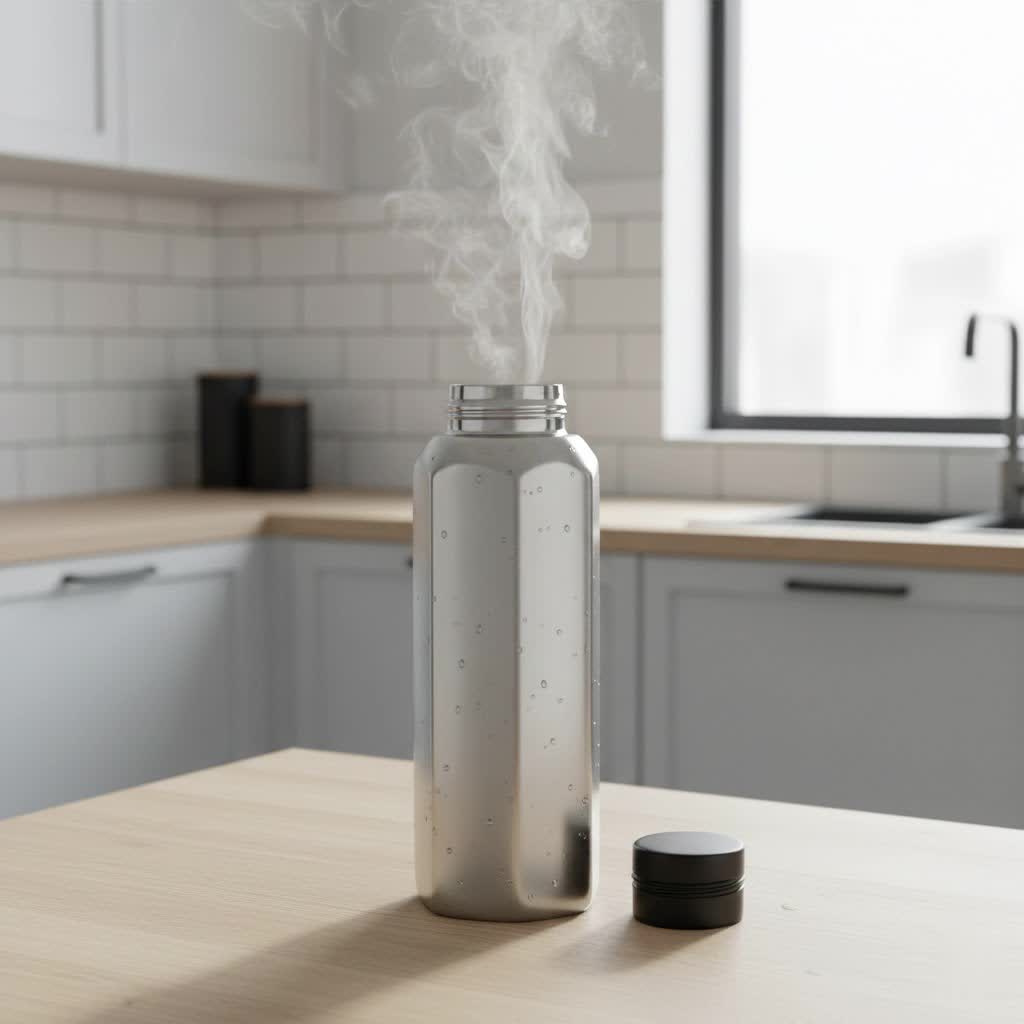
In our fast-paced daily lives, keeping beverages and meals at their ideal temperature can feel like a constant battle. Whether it’s a steaming hot coffee for your morning commute or an icy cold water for your gym session, a reliable thermos bottle is an indispensable companion. Choosing the right one, however, goes beyond just picking an attractive design. It’s about matching capacity, material, and features to your unique lifestyle. This guide will help you navigate the options to select the perfect thermos bottle that truly fits your needs.
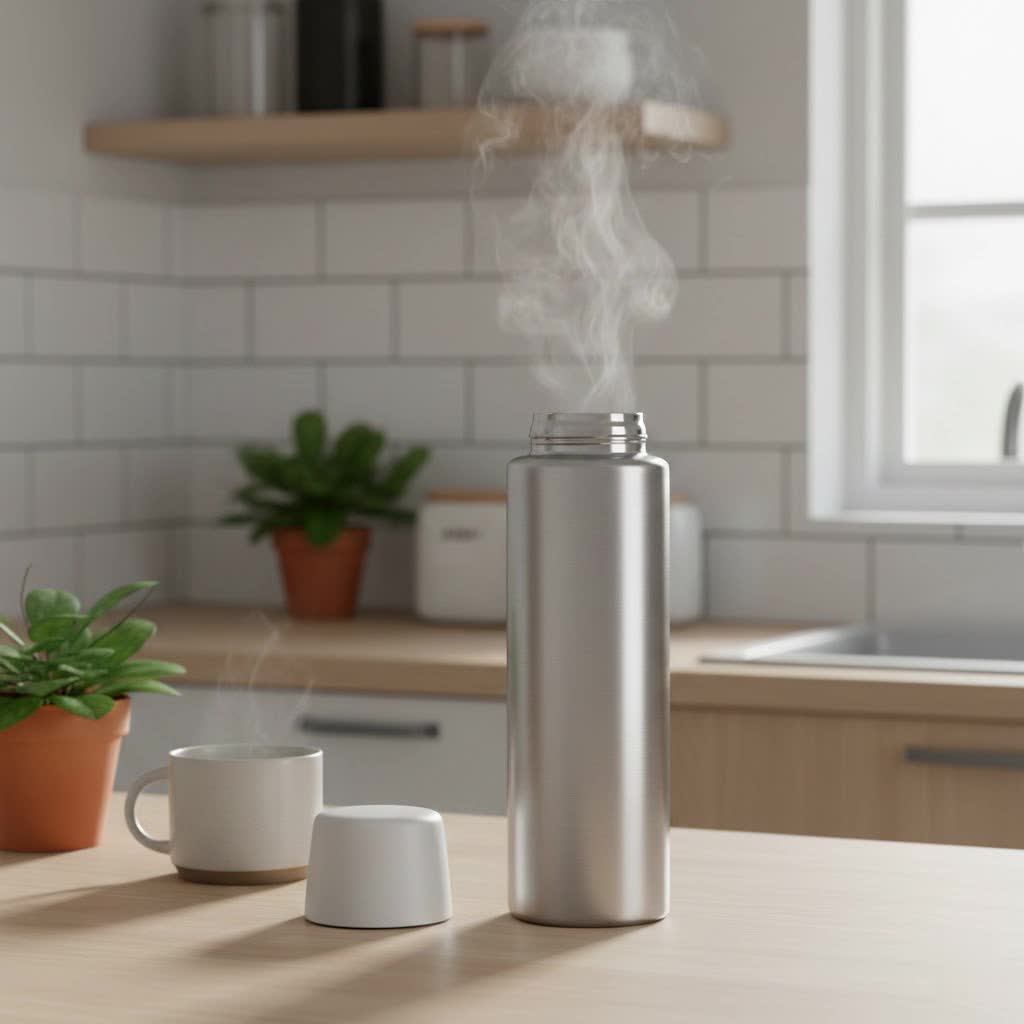
Common Thermos Bottle Types
Thermos bottles come in a variety of types, primarily distinguished by their material and capacity. Understanding these fundamental differences is the first step toward making an informed choice.
Thermos Bottles by Material
The material of your thermos bottle significantly impacts its performance, durability, and safety.
-
Stainless Steel
- Pros: Stainless steel is widely regarded for its exceptional durability and superior insulation. High-quality models, often featuring double-walled vacuum insulation, excel at maintaining beverage temperatures for extended periods. It’s resistant to rust and odor retention, doesn’t leach chemicals into your drinks, and is considered a safe and environmentally friendly choice for both hot and cold liquids.
- Cons: These bottles can be heavier than their plastic counterparts and are generally more expensive. While rare with good quality steel, some users might occasionally detect a slight metallic taste.
-
Glass
- Pros: Glass offers a clean and pure taste, ensuring no metallic or plastic flavors are imparted to your beverages. It’s also environmentally friendly and recyclable, and its non-porous surface makes it easy to clean and prevents odor absorption. Borosilicate glass is specifically used for its enhanced toughness.
- Cons: The primary drawback of glass thermoses is their fragility; they are prone to breaking if dropped. They are also heavier than plastic and generally less effective at maintaining temperature compared to stainless steel vacuum-insulated bottles.
-
Plastic (BPA-Free)
- Pros: Plastic thermos bottles are typically lightweight and affordable, offering a wide array of shapes and sizes.
- Cons: Despite being BPA-free, plastic generally offers inferior insulation and less durability compared to stainless steel. While safer than conventional plastics, careful selection is still important to avoid potential chemical leaching, and they tend to have a shorter lifespan.
Comparison Table: Thermos Bottle Materials
| Material | Safety (Chemical Leaching) | Insulation Performance | Durability | Weight | Cost |
|---|---|---|---|---|---|
| Stainless Steel | Excellent | Excellent | Excellent | Medium | Medium-High |
| Glass | Excellent | Good | Low (Fragile) | Medium-High | Medium |
| Plastic | Good (if BPA-free) | Fair | Fair | Low | Low |
Thermos Bottles by Capacity (Size)
The right thermos size depends entirely on your hydration or meal needs and how often you can refill it.
-
Small (8-12 oz / 237-355 ml)
- Ideal For: A quick coffee fix or a modest soup portion on a short commute. These sizes are perfect for toddlers and infants or for individuals who have easy access to refills throughout the day. They are also super pocket-friendly for small bags.
- Considerations: Highly portable and compact, fitting neatly into most bags and even some car cup holders.
-
Medium (16-24 oz / 473-710 ml)
- Ideal For: This is often considered the sweet spot for most daily needs, balancing portability with sufficient capacity. It’s suitable for office workers, students, or anyone spending 6-8 hours out and about, requiring one or two servings. Parents packing lunch often find 16-20 oz ideal for a child’s meal.
- Considerations: Many 24 oz bottles can still fit in backpack side pouches, though some 32 oz options might be too wide for standard car cup holders.
-
Large (32 oz+ / 946 ml to 1.5 L)
- Ideal For: Designed for long outdoor adventures like hiking or camping, extended work shifts, or for those who need all-day hydration without frequent refills. They are also excellent for sharing beverages with family or friends.
- Considerations: Larger thermoses are heavier and bulkier, which can be a concern if portability is a high priority. They may not fit in smaller bags or standard car cup holders.
Comparison Table: Thermos Bottle Capacity
| Capacity | Volume (Approx.) | Ideal Use | Portability | Weight |
|---|---|---|---|---|
| Small | 8-12 oz / 300-400ml | Short commutes, snacks, kids, espresso | Excellent (compact) | Low |
| Medium | 16-24 oz / 500-750ml | Office, school, gym, day hikes | Good | Medium |
| Large | 32 oz+ / 750ml-1.5L | All-day hydration, long trips, sharing | Fair (can be bulky) | High |
Popular Thermos Bottle Brands
Several brands have established themselves as leaders in the thermos market, known for their quality, innovation, and reliability.
- Stanley is renowned for its rugged durability and excellent temperature retention, making it a favorite for outdoor enthusiasts and those seeking robust performance.
- Zojirushi is frequently praised for its superior heat retention capabilities and lightweight designs, often incorporating advanced insulation technology.
- The Thermos brand itself offers a wide range of products, with series like the Ultimate Series consistently performing well in temperature tests and known for their durability.
- Hydro Flask combines effective insulation with a focus on stylish designs and a wide range of colors and sizes, popular among a broad user base.
- Yeti Rambler bottles are also highly regarded for their robust build and effectiveness in keeping drinks hot or cold.
How to Choose the Right Thermos Bottle for Your Needs
Selecting the perfect thermos involves a thoughtful consideration of your personal requirements and preferences.
Determine Your Usage Needs
Start by asking yourself some key questions:
- Purpose: What will you primarily use the thermos for? A morning coffee, an all-day water supply, or a hot lunch? Different activities, such as commuting, working at a desk, going to school, or outdoor adventures, will influence the ideal size and features.
- Duration: How long do you need your food or drink to stay hot or cold? If you have easy access to refills, a smaller capacity might suffice. If you’re out all day, a larger, highly insulated bottle is essential.
- Priorities: Are you looking for the best price, highest quality, or a specific design? Identifying your main priorities will narrow down your choices.
Consider Material and Insulation
Given the pros and cons of each material, consider what matters most to you:
- For maximum durability and temperature retention, double-walled vacuum insulated stainless steel is the gold standard.
- If a pure taste and chemical-free experience are your top priorities, and fragility isn’t an issue, glass might be suitable.
- Always ensure any plastic components are BPA-free for health and safety.
Select the Appropriate Capacity
Revisit the capacity guidelines to match your daily consumption habits and lifestyle:
- Commuters and those needing a single serving might prefer a compact 8-12 oz (300-400ml) thermos.
- Office workers and students often find 16-24 oz (500-750ml) to be the perfect balance for their daily needs.
- For long trips, outdoor activities, or sharing, a large 32 oz (1L) or even 1.5L thermos provides ample capacity.
Evaluate Features and Design
Beyond size and material, certain features enhance usability:
- Lid Type: Look for leak-proof lids, which are crucial for carrying your thermos in a bag. Some lids double as a cup, while others have easy-pour spouts. For kids, an easy-open lid is vital.
- Mouth Width: A wide mouth opening makes it easier to add ice cubes, fill with soup, and clean the interior.
- Ergonomics: Consider if the thermos is comfortable to hold, has a non-slip surface, or features a handle if you need one for easy carrying.
- Cleaning: Check if the bottle is dishwasher-safe or requires handwashing, as this impacts maintenance.
Using and Caring for Your Thermos Bottle
Proper use and maintenance can significantly extend your thermos bottle’s life and ensure optimal performance.
- Preheating or Pre-chilling: Before adding hot food or liquid, preheat your thermos by filling it with boiling water for 5-10 minutes. For cold items, pre-chill it with ice water. This simple step dramatically improves temperature retention.
- Cleaning Best Practices: Regular cleaning is essential to prevent odors and bacterial growth. Most stainless steel thermoses are best handwashed with warm soapy water, especially their lids and seals. Ensure all components are thoroughly dried before reassembling.
- Storage Tips: Store your thermos with the lid slightly ajar or off to allow air circulation, preventing musty odors from developing.
Where to Buy a Thermos Bottle
Thermos bottles are widely available across various retail channels:
- Physical Stores: You can find them at department stores, specialized outdoor and sporting goods shops, and even some supermarkets. This allows you to physically assess size, weight, and feel.
- Online Retailers: Major e-commerce platforms and official brand websites offer the widest selection. Always check for product reviews and ensure you are buying from a reputable seller to guarantee authenticity and quality.
Conclusion
Choosing the right thermos bottle for daily use doesn’t have to be complicated. By carefully considering your specific needs, evaluating the benefits and drawbacks of different materials and capacities, and paying attention to key features, you can find a thermos that perfectly complements your lifestyle. The best thermos is ultimately one you’ll enjoy using every day, keeping your favorite beverages and meals at their optimal temperature, no matter where your day takes you.
What’s your go-to thermos size for your daily adventures, and why does it work for you?
Frequently Asked Questions
What’s the ideal thermos size for a work commute?
For most work commuters, a small to medium-sized thermos, typically 12-16 oz (350-500ml), is ideal. This capacity is compact, fits well in bags or car cup holders, and provides enough hot coffee or tea for a morning boost without being bulky or heavy.
Can I use the same thermos for hot and cold beverages?
Yes, most quality thermos bottles, especially those with double-walled vacuum insulation, are designed to keep both hot liquids hot and cold liquids cold for extended periods. This versatility makes them a great investment for year-round use.
How long can a good thermos keep liquids hot/cold?
A high-quality thermos with double-walled vacuum insulation can typically keep liquids hot for 6-12 hours and cold for 12-24 hours, or even longer for some premium brands. Preheating or pre-chilling the thermos significantly enhances its temperature retention capabilities.
Is stainless steel or glass better for a thermos bottle?
Stainless steel is generally considered superior for Thermos Bottles due to its exceptional durability and longer-lasting insulation properties. While glass offers a pure taste, it is more fragile and less effective at maintaining temperature.
How do I prevent my thermos from smelling?
To prevent odors, always clean your thermos thoroughly after each use with warm, soapy water, paying close attention to the lid and seals. Allow all components to air dry completely before reassembling, and store the thermos with the lid off to ensure proper ventilation.