Have you ever taken a refreshing sip of water, only to be met with an unexpected aftertaste? The container you choose for your daily hydration plays a surprisingly significant role in how your water, coffee, or infused drinks truly taste. For many, the debate boils down to two popular choices: glass and stainless steel. Both offer eco-friendly alternatives to single-use plastics, but when it comes to preserving the pure flavor of your beverages, their performance varies considerably.
In this comprehensive guide, we’ll delve into the nuances of glass and stainless steel reusable bottles, examining how each material impacts taste, along with their distinct advantages and disadvantages. By the end, you’ll be equipped to choose the perfect bottle that aligns with your lifestyle and, most importantly, your palate.
Understanding the Materials: Glass vs. Stainless Steel Bottles
The journey to finding your ideal bottle begins with understanding the core properties of each material. Both glass and stainless steel are celebrated for their reusability and reduced environmental impact, but their interaction with liquids and overall user experience differ greatly.
Glass Bottles: The Champion of Pure Taste
Glass is often hailed as the gold standard for taste purity, and for good reason. Its chemical inertness means it doesn’t react with its contents, regardless of temperature or acidity. This ensures that every sip tastes exactly as it should—clean, crisp, and untainted.
- Taste Purity: Glass preserves the natural flavor of water and other beverages without imparting any unwanted tastes. It doesn’t retain flavors from previous drinks, allowing you to switch from coffee to water to juice without residual notes.
- Chemical Safety: Made from natural materials, glass is completely free of BPA, phthalates, and other potentially harmful chemicals that can leach into your drinks from other materials, offering unparalleled peace of mind.
- Transparency: The clear nature of glass allows you to easily see the contents, gauge liquid levels, and monitor cleanliness.
- Ease of Cleaning: Glass bottles are typically dishwasher safe and easy to clean thoroughly, preventing bacteria buildup and persistent odors.
However, glass bottles do come with their drawbacks. They are inherently more fragile and prone to breaking upon impact, though many modern designs incorporate durable, shatter-resistant glass and protective silicone sleeves to mitigate this risk. They also tend to be heavier and offer minimal to no insulation, meaning your hot drinks won’t stay hot and your cold drinks won’t stay cold for long.
Stainless Steel Bottles: Durability and Insulation Prowess
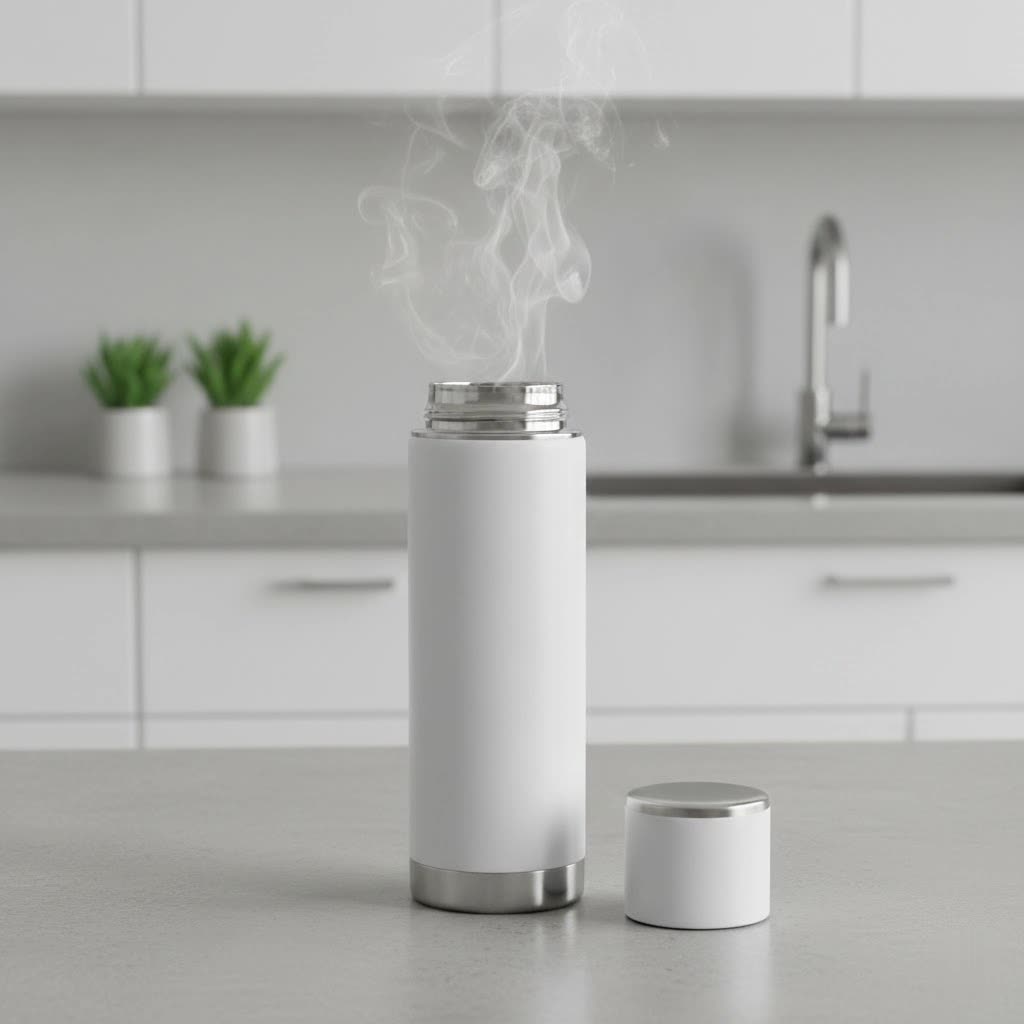
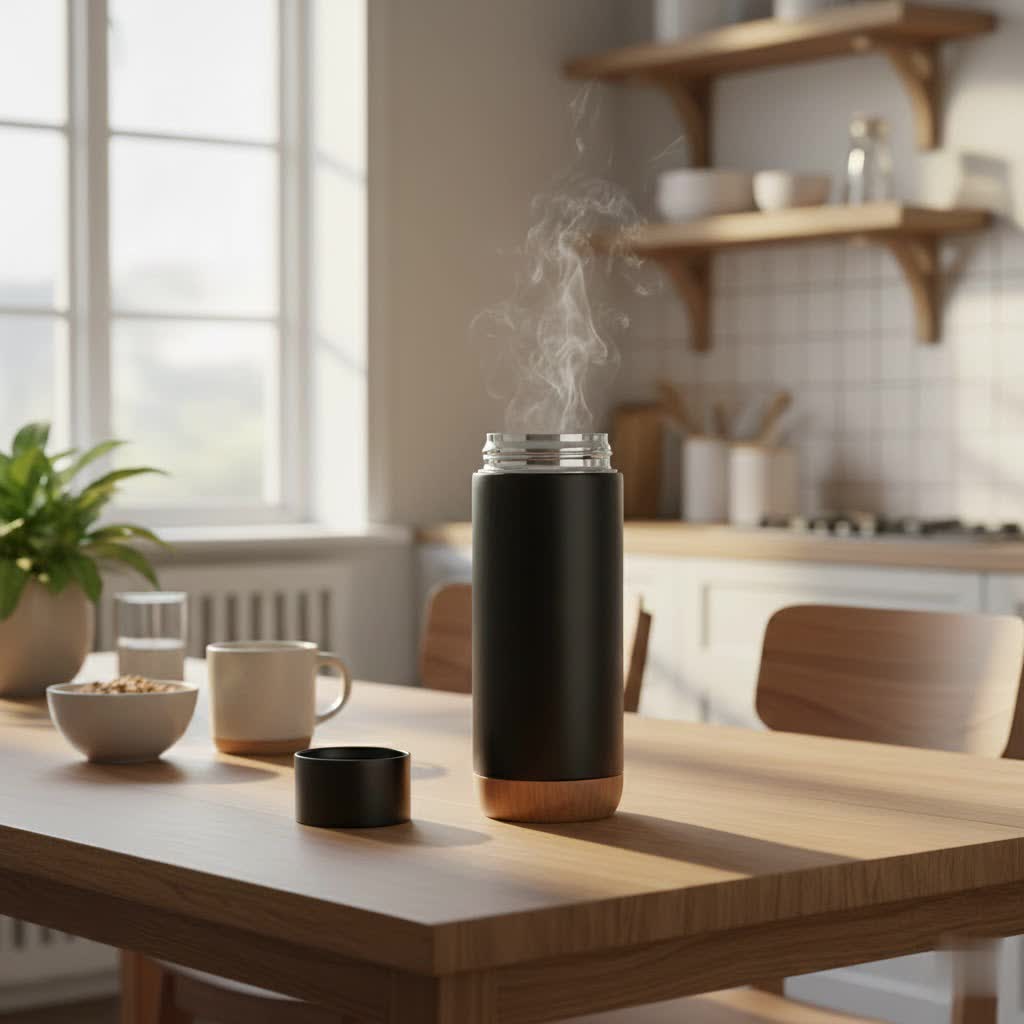
Stainless steel bottles, especially vacuum-insulated “thermos” bottles, are lauded for their robustness and superior temperature retention capabilities. They are a popular choice for active individuals and those who need their beverages to stay hot or cold for hours.
- Durability: Stainless steel is exceptionally resilient, capable of withstanding drops, dents, and the rigors of daily life without breaking. A high-quality stainless steel bottle can last for many years.
- Insulation: Double-walled, vacuum-insulated stainless steel bottles are masters of temperature control, keeping drinks hot for up to 12 hours and cold for 24 hours or more.
- Safety: Food-grade stainless steel (commonly 18/8 or 304) is generally considered safe, non-reactive, and does not leach BPA or other chemicals into your drinks.
- Portability: While they can be weighty when full, stainless steel bottles are often lighter than comparable glass options, especially when considering the protection needed for glass.
The primary concern for many with stainless steel bottles, particularly concerning this article’s focus, is the potential for a metallic taste. Some users report that water from stainless steel bottles can acquire a slight metallic or “off” flavor. This can be due to metal ions subtly altering the water’s pH, reactions between the metal and acidic beverages, or even residual manufacturing oils. It’s also worth noting that some “metal” bottles are made from aluminum, which requires an internal lining (often plastic) that can degrade and leach chemicals if compromised.
“For the purest taste experience, glass remains unmatched due to its chemically inert nature. It simply doesn’t interfere with your beverage’s natural flavor profile.” – ReviewerGig Admin, Expert in Thermos Bottles
Guide to Choosing the Right Bottle for Your Taste Preference
Selecting the perfect reusable bottle is a personal decision that hinges on balancing taste preference with practical needs.
Identify Your Hydration Priorities
Before making a choice, consider what you value most in a reusable bottle:
- Pure Taste: Is an absolutely untainted flavor your top priority?
- Temperature Retention: Do you need your drinks to stay hot or cold for extended periods?
- Durability: How active is your lifestyle? Will your bottle endure bumps and drops?
- Portability: How important is lightweight design for your daily commute or adventures?
- Safety: Are you concerned about chemical leaching from materials?
Material Choice and Its Impact on Taste
If pure taste is paramount, glass typically holds the advantage. Its non-porous and non-reactive surface ensures no flavors are absorbed or imparted. For those who can’t stand even a hint of metallic tang, glass is the clearer choice.
However, modern, high-quality food-grade stainless steel bottles (304 or 18/8) are designed to minimize taste interference. While some individuals remain highly sensitive to a metallic aftertaste, many find that a good quality stainless steel bottle delivers a neutral taste, especially after proper cleaning and seasoning. If you often drink coffee, tea, or heavily flavored beverages, the insulation benefits of stainless steel might outweigh the minor taste concerns for you.
Safety Considerations
Both glass and food-grade stainless steel are excellent choices for health and safety. They are free from BPA and other endocrine-disrupting chemicals found in some plastics. Glass is inherently inert, while stainless steel relies on its quality and grade to ensure non-reactivity. Always check that stainless steel bottles are made from “food-grade” 304 or 18/8 stainless steel.
Insulation Needs
This is where stainless steel, particularly insulated thermos bottles, truly shines. If you frequently carry hot coffee, tea, or ice-cold water and need it to maintain its temperature for several hours, an insulated stainless steel bottle is the undisputed winner. Glass, by contrast, offers virtually no insulation unless paired with an insulating sleeve, which only provides minimal thermal protection.
Durability and Lifestyle
Your daily routine heavily influences the ideal material. If you’re often on the go, commuting, hiking, or working in an environment where drops are likely, the shatterproof nature of stainless steel offers peace of mind. A glass bottle, even with a silicone sleeve, carries a higher risk of breakage. For desk use or less active scenarios, a glass bottle is a beautiful and safe option.
Comparison Table: Glass vs. Stainless Steel Bottles
Here’s a quick overview of how these two popular materials stack up:
| Feature | Glass Bottles | Stainless Steel Bottles (Food-Grade) |
|---|---|---|
| Taste Impact | Neutral, pure, no flavor retention | Generally neutral, but can have a metallic aftertaste for some |
| Durability | Fragile, prone to breaking (unless shatter-resistant glass) | Highly durable, resistant to dents and drops |
| Insulation | Poor (unless heavily insulated outer layer) | Excellent for hot/cold (especially vacuum-insulated thermos bottles) |
| Chemical Safety | Extremely high, chemically inert, no leaching | High, non-reactive, no BPA leaching |
| Weight | Heavier | Lighter (for non-insulated), moderate (for insulated) |
| Cleaning | Very easy, dishwasher safe, no odors | Easy, dishwasher safe (most), can sometimes hold odors if not cleaned well |
| Price | Moderate to high | Moderate to high |
| Versatility | Best for taste purity | Best for temperature retention and ruggedness |
Tips for Using and Maintaining Your Bottle for Optimal Taste
Proper care is essential to ensure your reusable bottle consistently delivers the best taste experience, regardless of material.
General Cleaning Practices for Both Materials
- Regular Washing: Wash your bottle thoroughly after each use with warm water and soap to prevent bacteria and odor buildup.
- Deep Cleaning: Periodically deep clean with bottle brushes to reach all interior surfaces, especially if you use flavored drinks.
- Air Dry: Allow bottles to air dry completely upside down to prevent moisture and mildew from developing.
Specific Tips for Stainless Steel: Eliminating Metallic Taste
If you experience a metallic taste from your stainless steel bottle, don’t despair! Several methods can help mitigate or eliminate it:
- Vinegar Soak: Fill the bottle halfway with equal parts white vinegar and warm water, shake, and let it sit overnight (or at least 30 minutes) before rinsing thoroughly. The acidity helps break down residues.
- Baking Soda Paste: Mix baking soda with a little water to form a paste, scrub the inside of the bottle, and let it sit for a few hours or overnight before rinsing. Baking soda is an excellent odor neutralizer.
- Lemon Juice Rinse: Squeeze half a lemon into your bottle with water and let it steep for an hour, then rinse thoroughly.
- Boiling Water Soak: Carefully fill the bottle with boiling water and let it sit until cool, then rinse. This can sanitize and help break down compounds.
- Check the Cap: Sometimes the metallic taste can come from a stainless steel cap. Consider switching to a BPA-free plastic sports cap if this is the case.
- Consider Ceramic Lined Options: For ultimate taste purity with the durability of stainless steel, some bottles feature a ceramic interior lining, ensuring your drink never touches the metal.
Preventing Flavor Retention in Both Materials
While glass is inherently resistant to flavor retention, stainless steel can sometimes hold onto strong flavors like coffee or protein shakes if not cleaned immediately. Always rinse your bottle as soon as possible after use, and follow the deep cleaning methods if a persistent odor or taste develops.
Where to Buy High-Quality Water Bottles for Pure Taste
When purchasing your next reusable bottle, look for reputable brands and retailers known for quality products. Whether online or in physical stores, prioritize:
- Food-Grade Materials: Ensure stainless steel is 18/8 or 304 food-grade and glass is shatter-resistant when applicable.
- BPA-Free Certification: While true for glass and good stainless steel, it’s a good indicator of overall product safety.
- User Reviews: Check what other customers say about taste, durability, and ease of cleaning.
- Warranty: A good warranty often indicates a manufacturer’s confidence in their product’s quality.
Conclusion
The choice between a glass and stainless steel reusable bottle ultimately comes down to your personal priorities. If an absolutely pure, untainted taste is your utmost concern, glass bottles are likely your ideal companion, offering a pristine drinking experience free from any imparted flavors. They celebrate the natural taste of your beverages.
However, if superior durability and exceptional temperature retention, especially for an insulated Thermos Bottle, are non-negotiable, then high-quality, food-grade stainless steel is an outstanding choice. While some individuals might detect a faint metallic nuance, many find these bottles deliver a perfectly neutral taste, particularly with proper care. Both materials champion health and environmental responsibility, moving us away from single-use plastics. The best bottle is the one you’ll love using every day, ensuring you stay hydrated with pure, great-tasting water.
Which factor is most important to you when choosing your next reusable bottle – pure taste or long-lasting temperature control?
Frequently Asked Questions
Does stainless steel give water a metallic taste?
Yes, some individuals report a metallic taste from stainless steel bottles, which can be caused by metal ions interacting with the water, especially with acidic drinks, or in lower quality stainless steel. Proper cleaning with vinegar or baking soda can often alleviate this issue.
Is water safer to drink from glass or stainless steel?
Both glass and food-grade stainless steel are considered very safe materials for drinking water. Glass is chemically inert and won’t leach anything into your drink. Food-grade stainless steel (like 304 or 18/8) is also non-reactive and does not leach harmful chemicals like BPA.
How can I remove the metallic taste from my stainless steel bottle?
To remove a metallic taste, try soaking your bottle overnight with a solution of white vinegar and water, or a paste of baking soda and water. Lemon juice and boiling water soaks can also be effective. Ensure thorough rinsing afterward.
Do insulated bottles affect taste?
Insulated bottles, typically made of stainless steel, primarily impact temperature retention. While the stainless steel itself can occasionally impart a metallic taste to sensitive palates, the insulation mechanism does not directly affect the flavor. Some insulated bottles now feature ceramic linings to address taste concerns.
Can I put flavored drinks in a glass bottle without it retaining flavor?
Absolutely. Glass is non-porous and does not absorb flavors, making it excellent for switching between water, coffee, juice, or infused drinks without any residual taste. Simply wash it thoroughly, and your next beverage will taste fresh.