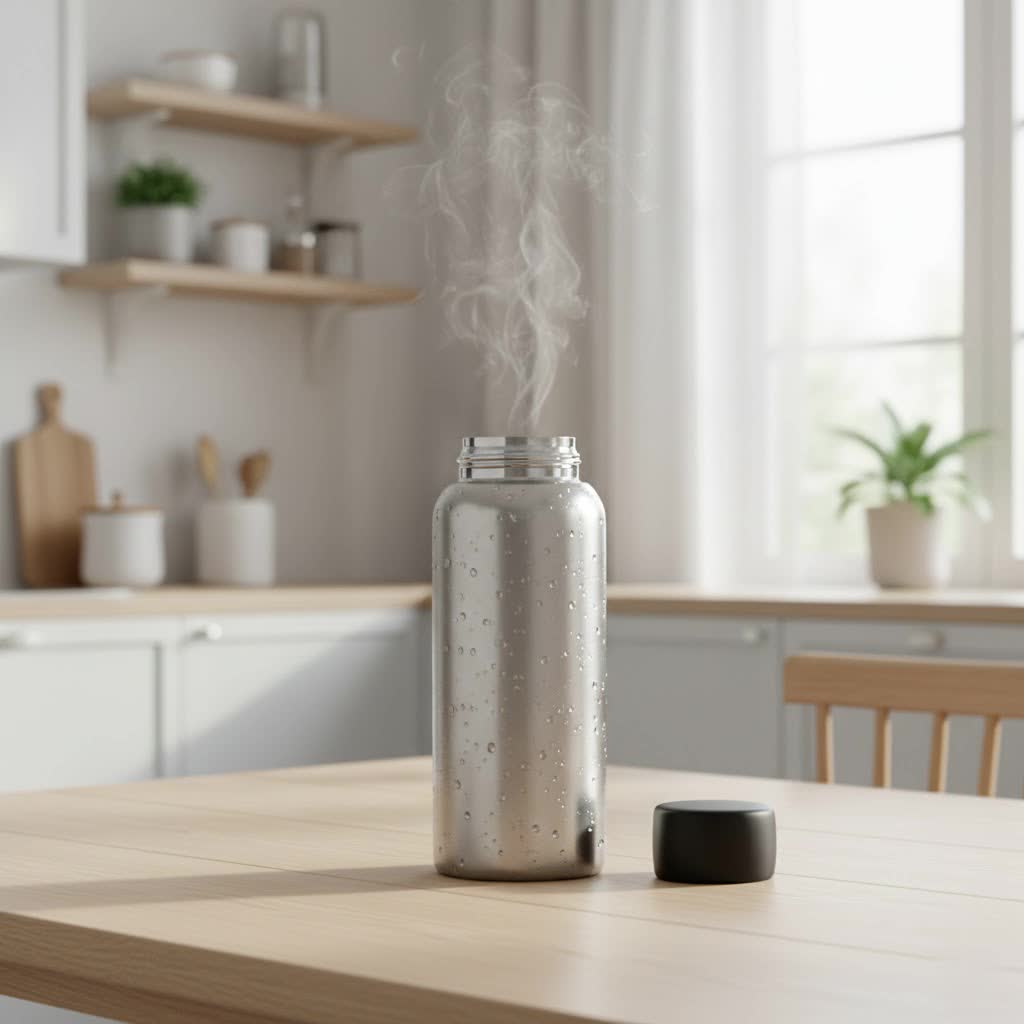
Are cold, unappetizing lunches a daily struggle for you or your family? Imagine a world where warm, comforting homemade meals are just a twist of a lid away, whether at school, the office, or on an adventure. Thermos food jars are the unsung heroes of on-the-go dining, transforming your lunch experience from lukewarm disappointment to a delightful, piping hot treat.
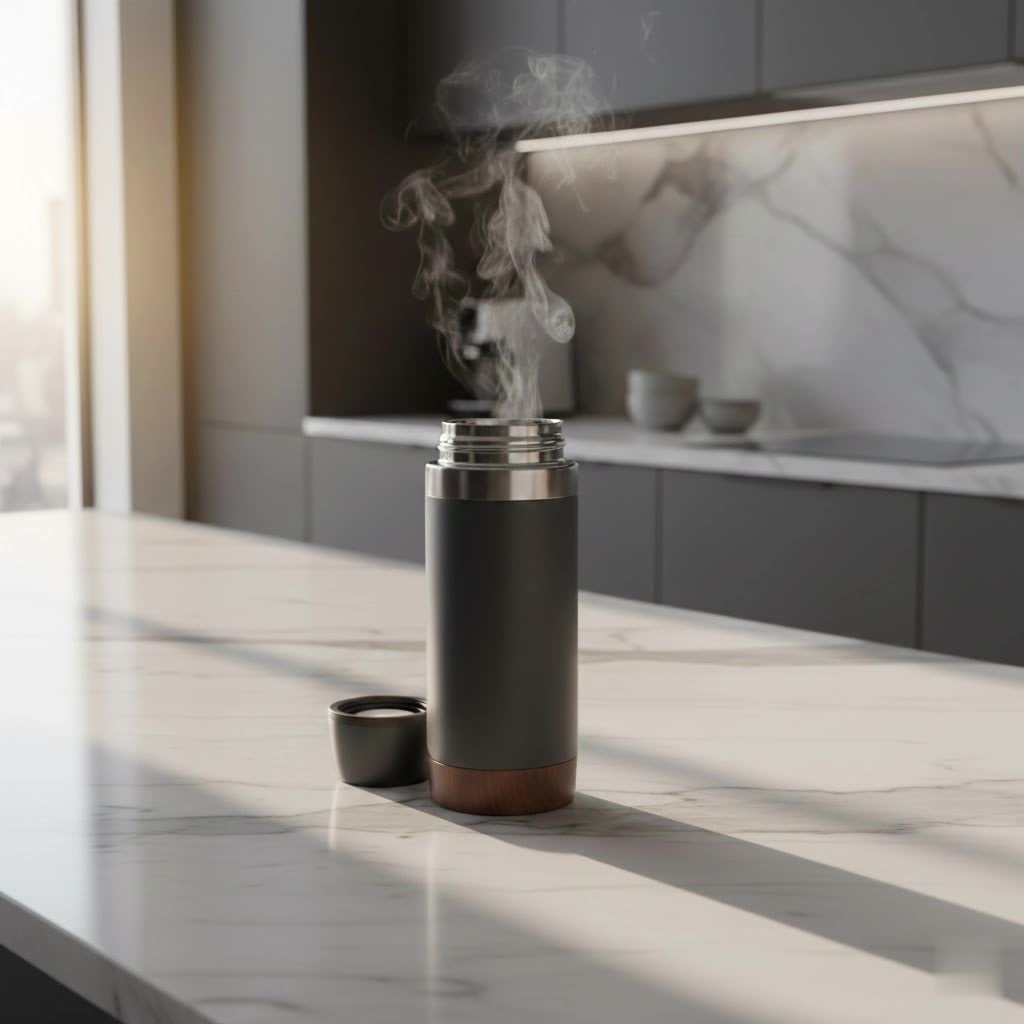
This comprehensive guide, drawn from over a decade of hands-on experience, will navigate you through the world of insulated food containers. We’ll explore the various types, pinpoint the essential factors for choosing the perfect jar, share expert tips for maximizing heat retention, and highlight top brands to ensure you select a thermos food jar that truly fits your lifestyle and keeps your soup steaming hot and your school lunch deliciously warm.
Popular Types of Thermos Food Jars
Understanding the different characteristics of thermos food jars is the first step toward finding your ideal companion for hot meals. While many options exist, the best performers often share similar core attributes, primarily focusing on materials and construction designed for superior insulation.
Food Jar Materials
When it comes to keeping food hot, the material of your thermos food jar is paramount.
- Stainless Steel: This is the gold standard for insulated food jars. High-quality food-grade stainless steel, typically 18/8 grade, offers exceptional durability, rust resistance, and, most importantly, superior temperature retention. Double-walled, vacuum-insulated stainless steel designs create a barrier that drastically minimizes heat transfer, keeping your food hot for hours. Stainless steel is also non-reactive, meaning it won’t impart flavors or odors to your food, and it’s free from harmful chemicals often found in plastics. While heavier than plastic, its robust nature ensures longevity.
- Other Materials (Glass, Plastic): While some food containers use glass or plastic, these are generally not recommended for hot food jars due to their limited insulation capabilities and durability concerns. Plastic, even BPA-free, can absorb odors and stains, and doesn’t offer the robust heat retention of stainless steel. Glass, while non-reactive, is prone to breakage, making it less ideal for daily, on-the-go use, especially for children.
Food Jar Capacities
Selecting the right size for your thermos food jar depends entirely on your needs and the appetite of its user.
- Small (8-12 ounces): These compact jars are perfect for toddlers, small side dishes, or a quick snack. They’re easy for little hands to manage and fit snugly into smaller lunch bags.
- Medium (16-24 ounces): This is the most versatile and popular size range, ideal for school-aged children and most adults. A 16-ounce jar can comfortably hold a generous portion of soup, pasta, or chili, making it suitable for a complete lunch. The 24-ounce options provide a bit more room for heartier meals or if you prefer larger servings.
- Large (24 ounces and above): For those with bigger appetites, long work shifts, or outdoor enthusiasts who need sustained warmth, larger jars are excellent. They can hold substantial meals and sometimes even come with multiple compartments or serving bowls, perfect for group outings or extended trips.
Popular Food Jar Brands
The market offers several reputable brands known for their quality and performance in keeping food warm. Each brings its unique strengths to the table.
- Zojirushi: Widely praised for its cutting-edge vacuum insulation technology, Zojirushi jars consistently deliver superior heat retention, often keeping food hot for over six hours. They are known for sleek designs and ease of cleaning, though they tend to be on the higher end of the price spectrum.
- Stanley: A brand synonymous with rugged durability, Stanley food jars are built to last, often boasting a lifetime warranty. They offer excellent heat retention, with some models claiming to keep food hot for up to 12 hours. Their classic, robust design makes them a favorite for outdoor adventures and demanding work environments.
- Thermos (Brand): As the original insulated container brand, Thermos offers a wide range of food jars, including popular models like the Funtainer for kids and the Stainless King for adults. They are reliable, perform well, and are often more budget-friendly, making them a solid choice for everyday use.
- Simple Modern: This brand has gained popularity for combining excellent insulation performance with attractive aesthetics and affordability. Their Provision Food Jars are often highlighted for being durable, leak-proof, and easy to clean, providing great value.
- LunchBots: Designed with children in mind, LunchBots offers insulated food jars that are kid-friendly, easy to open, and provide good temperature retention. They are a great option for parents looking for dependable hot lunch solutions for school.
How to Choose the Right Thermos Food Jar
Selecting the ideal thermos food jar goes beyond just picking a brand. It involves a thoughtful consideration of your personal needs and the specific features that will deliver the best experience.
Assess Your Needs
Begin by clarifying how you intend to use your food jar.
- Purpose: Will it be primarily for school lunches, office meals, travel, or outdoor activities? This will influence the durability, capacity, and design features you prioritize.
- Duration: How long do you need your food to stay hot? Most standard jars effectively keep food warm for 4-6 hours, which is typically sufficient for a school or office lunch break. For longer excursions, look for models with enhanced insulation properties.
- Portion Size: Consider the typical amount of food you or your child consumes. This will guide your choice in capacity, ensuring you don’t end up with a jar that’s too small or unnecessarily large.
- Priorities: Are you on a tight budget, or is top-tier performance your main concern? Do you value a sleek design, ultimate durability, or a jar that’s incredibly easy to clean?
Material & Insulation
For optimal performance, always opt for a food jar made from food-grade stainless steel with double-walled vacuum insulation. This construction creates a thermal barrier that significantly slows heat transfer. Avoid containers with foam insulation or single-wall designs, as these will not adequately retain heat for extended periods. The quality of the vacuum seal directly impacts how long your food stays hot, so investing in a well-constructed product is key.
Capacity & Portability
Choose a capacity that comfortably holds your desired meal size without too much empty space, as excess air can lead to faster heat loss. For children, a 10-16 oz jar is usually ideal, while adults might prefer 16-24 oz. Also, consider the jar’s physical dimensions and weight. Will it fit easily into a lunch bag, backpack, or car cup holder? A wide mouth is generally preferred for easier filling, eating, and cleaning.
Lid Design & Leak-Proofing
A superior lid is crucial for both heat retention and preventing spills. Look for:
- Leak-proof seal: Essential for liquid foods like soups and stews. Silicone gaskets or O-rings provide a tight seal.
- Wide mouth opening: Facilitates easy eating directly from the jar and simplifies cleaning.
- Ease of opening: Especially important for kids. Some lids feature pressure release buttons or textured surfaces for a better grip. A deep plug design, often with an insulating cap, can further reduce heat loss through the lid.
- Removable gasket: For thorough cleaning and hygiene.
Brand Reputation & Warranty
Opting for established brands known for their quality in insulated products often translates to better performance and reliability. Check for customer reviews and available warranties. Brands like Stanley often offer lifetime warranties, signaling confidence in their product’s durability.
Comparison Table: Top Thermos Food Jars
| Feature | Zojirushi SM-SA Series | Stanley Classic Legendary | Thermos Stainless King | Simple Modern Provision | LunchBots Duo |
|---|---|---|---|---|---|
| Material | 18/8 Stainless Steel | 18/8 Stainless Steel | 18/8 Stainless Steel | 18/8 Stainless Steel | 18/8 Stainless Steel |
| Heat Retention | Excellent (6+ hours) | Excellent (Up to 12 hours) | Very Good (5-7 hours) | Excellent (5-7 hours) | Good (4-5 hours) |
| Durability | High | Exceptional | High | Good | Good |
| Capacity Range (oz) | 12-25 | 14-24 | 16-24 | 12-20 | 16 |
| Key Feature | Superior vacuum insulation, compact | Rugged, lifetime warranty, integrated spork | Reliable, classic design, often with folding spoon | Stylish, affordable, good performance | Kid-friendly, wide mouth, easy open |
Maximizing Your Thermos Food Jar’s Performance
Even the best thermos food jar can fall short if not used correctly. Follow these expert tips to ensure your meals stay piping hot for as long as possible.
Proper Preheating
This is perhaps the most critical step for optimal heat retention.
- Boil Water: Heat water until it’s rapidly boiling.
- Fill the Jar: Carefully fill your empty thermos food jar to the brim with the boiling water.
- Seal and Wait: Place the lid on tightly and let it sit for at least 5-10 minutes. This preheats the inner walls of the jar, preparing it to hold hot food effectively.
- Empty and Dry: Just before adding your food, carefully pour out the hot water and quickly dry the interior with a towel to remove any residual moisture, which can cool the food.
Optimal Food Temperature & Filling
The temperature of your food when it goes into the jar significantly impacts how long it stays hot.
- Heat Food Thoroughly: Ensure your soup or meal is heated to a piping hot temperature, ideally above 165°F (74°C), just shy of boiling, before transferring it.
- Fill to the Brim: Minimize empty air space inside the thermos by filling it as completely as possible. Less air means less heat to escape. If you’re packing a smaller portion, consider adding extra hot broth or a side of hot liquid to fill the void.
- Transfer Quickly: Once your food is hot and your thermos is preheated, transfer the food and seal the lid as quickly as possible to prevent heat loss.
Handling & Storage Tips
Thoughtful handling and storage can further enhance your thermos’s performance and longevity.
- Seal Tightly: Always ensure the lid is securely fastened. A loose lid is the quickest way for heat to escape.
- Avoid Frequent Opening: Every time you open the jar, heat escapes. Encourage children (and remind yourself) to keep the lid closed until ready to eat.
- Use an Insulated Lunch Bag: Placing your thermos inside an insulated lunch bag provides an extra layer of thermal protection, helping to maintain temperature.
- Cleaning and Maintenance: Most high-quality food jars are best hand washed to preserve their vacuum seal and exterior finish. Pay special attention to cleaning the lid and any removable gaskets thoroughly to prevent food residue buildup and odors. A mixture of baking soda and vinegar can help neutralize persistent smells. Ensure all parts are completely dry before reassembling and storing to prevent mold or mildew.
“The secret to a truly hot lunch isn’t just a good thermos, it’s how you prepare it. Preheating and filling to the maximum makes all the difference.” – Admin, reviewergig.com
Where to Buy Thermos Food Jars
Finding the perfect thermos food jar is easier than ever, with numerous options available across various retail channels.
- Online Retailers: Websites like Amazon, Walmart, and the official brand websites (Zojirushi, Stanley, Thermos, Simple Modern) offer the widest selection, competitive pricing, and often detailed customer reviews that can help inform your decision.
- Department Stores & Kitchenware Stores: Retailers such as Target, Kohl’s, and specialty kitchen stores often carry a good range of popular brands. This allows you to physically inspect the product for size, weight, and lid mechanism.
- Specialty Outdoor & Camping Stores: For rugged, high-performance options like Stanley, stores catering to outdoor enthusiasts are excellent choices.
- Supermarkets: Some larger supermarkets may stock basic or popular models, particularly around back-to-school seasons.
Regardless of where you purchase, always prioritize reading recent customer reviews to gauge real-world performance and durability. Comparing prices from different sellers can also help you secure the best deal.
Conclusion
Choosing the best thermos food jar for hot soup and school lunch is an investment in healthier, more enjoyable meals. By understanding the critical role of stainless steel vacuum insulation, selecting the right capacity, and prioritizing a leak-proof and easy-to-use lid, you’re well on your way to a perfect pick. Remember to leverage the power of preheating and proper filling to maximize heat retention, ensuring your food stays deliciously warm for hours. With top brands like Zojirushi, Stanley, Thermos, and Simple Modern leading the way, there’s a reliable food jar out there ready to transform your mealtime.
What warm, comforting meal are you excited to pack first in your new thermos food jar?
Frequently Asked Questions
How long do thermos food jars typically keep food hot?
Most high-quality thermos food jars are designed to keep food hot for 4-6 hours, which is ideal for school or work lunches. Some premium models, like certain Stanley or Zojirushi jars, can maintain safe hot temperatures for up to 8-12 hours, especially when properly preheated and filled to capacity.
Can I put boiling soup directly into a thermos without preheating it?
While you technically can, it’s highly recommended to preheat your thermos with boiling water for 5-10 minutes before adding piping hot soup. This process warms the inner walls of the jar, significantly extending the duration your soup will stay hot and ensuring a more satisfyingly warm meal.
Are thermos food jars dishwasher safe?
Some thermos food jars are advertised as dishwasher safe, particularly their lids and certain components. However, for maximum longevity and to protect the vacuum insulation and exterior finish, many manufacturers and experts recommend handwashing the main stainless steel body. Always check the specific care instructions for your model.
What types of food are best for packing in a thermos?
Foods with some moisture or liquid content tend to stay hotter longer in a thermos. Excellent choices include soups, stews, chili, pasta with sauce, rice dishes, oatmeal, mac and cheese, or even cooked vegetables. Denser, drier foods might not retain heat as effectively.
How do I clean my thermos food jar to prevent odors and ensure hygiene?
To prevent odors and ensure hygiene, disassemble all parts of your thermos, including any removable gaskets. Wash thoroughly with warm, soapy water. For persistent odors, a mixture of baking soda and warm water, left to sit for a few hours, can be very effective. Always rinse well and ensure all components are completely dry before reassembling and storing.