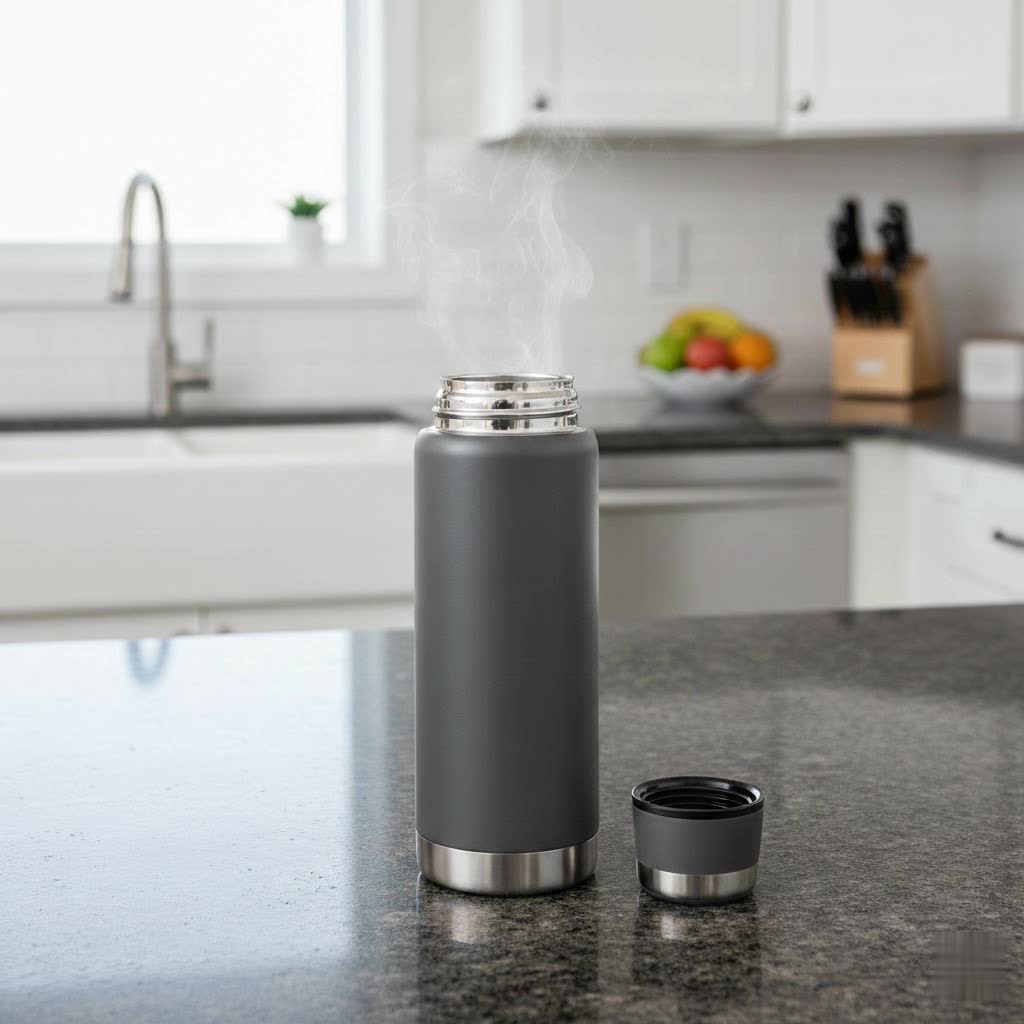
When you’re out on the open road or tackling challenging trails, staying hydrated is paramount. But what if you could do more than just carry water? What if your drink could stay refreshingly cold on a scorching summer day or surprisingly warm during a crisp morning ride? This is where the often-underestimated thermos bottle, or insulated water bottle, becomes your ultimate cycling companion. With a decade of dedicated experience evaluating hundreds of hydration solutions, from compact designs for daily commutes to robust options for epic bikepacking adventures, I understand the nuances that make a great cycling thermos. My goal is to equip you with the knowledge to choose the perfect insulated bottle that seamlessly integrates with your bike cage and enhances every ride.
Understanding Thermos Bottles for Cycling
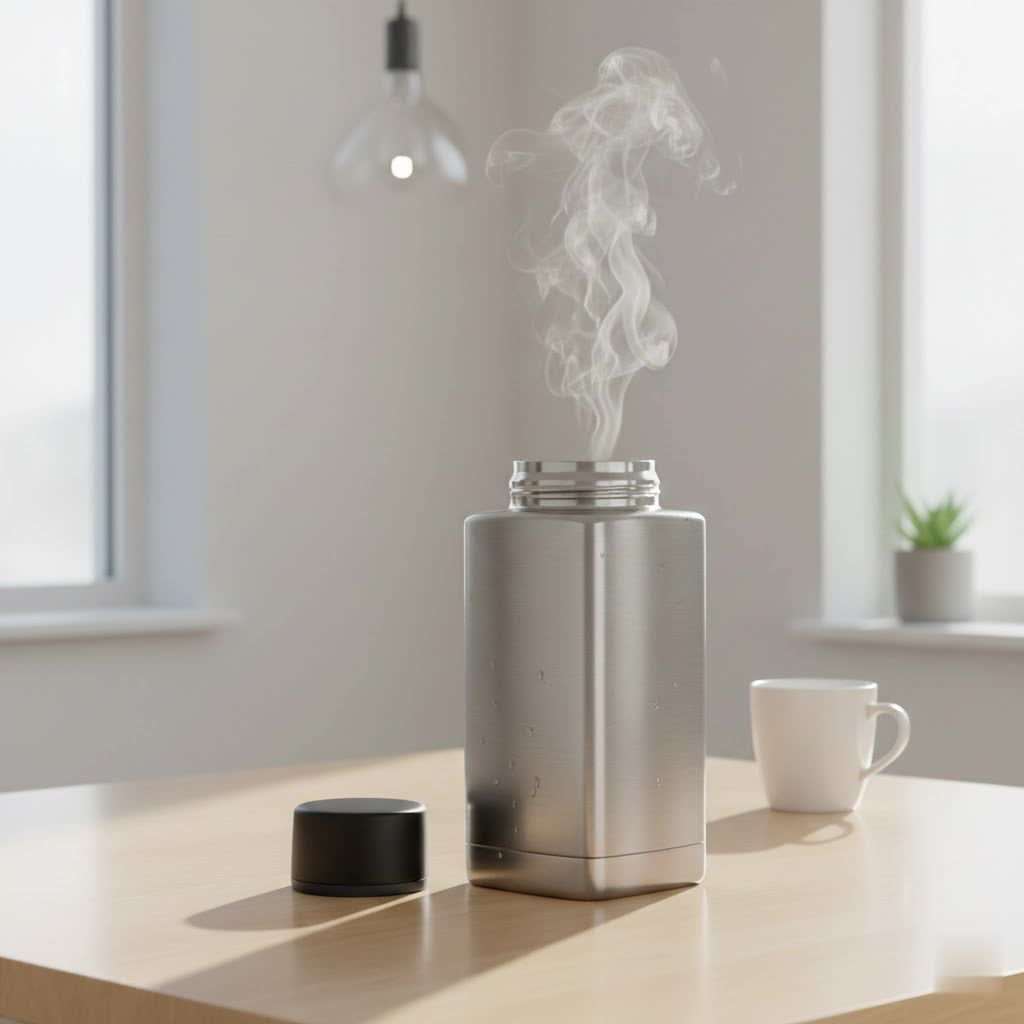
Cycling thermos bottles are specialized insulated containers designed to keep your beverages at their desired temperature for longer periods, all while fitting securely into standard bike cages. Unlike regular plastic water bottles, these feature advanced insulation technologies, making them indispensable for cyclists who value temperature consistency.
Why are these bottles essential for cyclists? Imagine a sweltering climb where a sip of icy water provides instant relief, or a chilly descent where warm tea offers comforting warmth. Beyond comfort, maintaining proper hydration with a palatable drink can significantly impact your performance and enjoyment. These bottles help regulate your core temperature, prevent rapid fluid temperature changes, and ensure you’re always eager to take that next sip, thereby supporting consistent hydration throughout your journey.
Types of Thermos Bottles for Cycling
Choosing the ideal thermos bottle begins with understanding the variety of options available, primarily categorized by their construction material and capacity. Each type offers distinct advantages and trade-offs tailored to different cycling needs.
By Material
|
Our Picks for the Best Thermos bottle in 2026
As an Amazon Associate I earn from qualifying purchases.
|
||
| Num | Product | Action |
|---|---|---|
| 1 | Thermos 2465SSB6 Hydration Bottle, 18 Ounce, Slate Blue |

|
| 2 | THERMOS ICON SERIES Stainless Steel Water Bottle with Spout - 24 Ounce, Granite - Vacuum Insulated Water Bottle with Lid |
|
| 3 | Stanley Heritage Classic Vacuum Bottle with Handle 1.1 qt | Wide Mouth w/Leakproof Cup Lid | Keep Drinks Hot or Cold | Insulated Stainless Steel Thermal Bottle | BPA-Free | Hammertone Green |
|
| 4 | THERMOS Stainless King Vacuum-Insulated Compact Bottle, 16 Ounce, Matte Steel |
|
| 5 | THERMOS FUNTAINER Water Bottle with Straw - 12 Ounce - Kids Stainless Steel Vacuum Insulated Water Bottle with Lid, Blue/Green |
|
| 6 | Thermos Vacuum Insulated 16 Ounce Compact Stainless Steel Beverage Bottle |
|
| 7 | Milton Thermosteel Flip Lid 1000, Double Walled Vacuum Insulated Thermos 1000 ml | 34 oz | 1 Ltr | 24 Hours Hot and Cold Water Bottle with Cover, Stainless Steel, BPA Free,Leak Proof | Silver |
|
| 8 | THERMOS Stainless King Vacuum-Insulated Beverage Bottle, 40 Ounce, Midnight Blue |
|
| 9 | Zojirushi Stainless Steel Mug, 16oz, Smoky Blue |
|
| 10 | ThermoFlask Stainless Steel Water Bottles 2-Pack - Double-Wall Vacuum Insulated 24 oz BPA-Free Spout Lids - Keeps Drinks Cold 24 Hrs, Hot 12 Hrs - Leakproof, Dishwasher Safe, Mayan Blue/Black |
|
The material of your cycling thermos bottle largely determines its insulation performance, weight, durability, and taste purity.
Insulated Plastic
Insulated plastic bottles, typically made from polypropylene or polyethylene, are a popular choice for their lightweight nature and squeezable design. These materials are often BPA, BPS, and BPF-free, ensuring your water isn’t contaminated by harmful chemicals. Brands like CamelBak often use proprietary linings, such as TruTaste Polypropylene, to prevent plastic-like tastes, which is a common concern with plastic bottles. While they offer better temperature retention than single-wall plastic bottles, their insulation capabilities are generally less robust than metal alternatives, keeping drinks cool for an hour or two in direct sunlight. They are also typically hand-wash only, though some lids might be dishwasher safe.
- Pros: Lightweight, squeezable for quick hydration, often affordable, good range of colors and sizes.
- Cons: Insulation lasts for shorter durations (1-2 hours for cold), can develop a taste over time, typically hand-wash only.
- Examples: CamelBak Podium Chill, CamelBak Podium Big Chill, REI Co-op Insulated Water Bottle.
Insulated Stainless Steel
For superior temperature retention, insulated stainless steel bottles are a top contender. These bottles often feature double-walled, vacuum-sealed construction, capable of keeping drinks icy cold for many hours, sometimes even up to 24 hours, and can also effectively hold hot liquids. Stainless steel naturally resists taste transfer, ensuring your water or other beverages remain pure and untainted. However, being rigid, they are not squeezable, which means some designs incorporate an internal air-intake tube or rely on gravity for water flow. This can sometimes make one-handed drinking slightly less effortless than with squeezable plastic bottles. They are also significantly heavier than their plastic counterparts.
- Pros: Excellent insulation for cold and hot drinks, no taste transfer, highly durable, often chemical-free (BPA/BPS/BPF/lead-free).
- Cons: Heavier, not squeezable (can affect flow rate), may require careful cleaning of internal components.
- Examples: Bivo Trio, CamelBak Podium Insulated Stainless Steel.
Insulated Titanium
At the premium end of the spectrum, insulated titanium bottles offer an exceptional blend of insulation performance and lightweight construction. Titanium is renowned for its strength-to-weight ratio and inert properties, providing excellent taste purity without adding significant bulk. Like stainless steel, titanium bottles are not squeezable. However, their lower weight makes them an appealing option for cyclists who prioritize shedding every possible gram.
- Pros: Superb insulation, extremely lightweight for a metal insulated bottle, exceptionally durable, no taste transfer.
- Cons: Very expensive, limited options.
- Examples: CamelBak Podium Titanium.
By Capacity
The right bottle capacity depends heavily on your ride length, access to refills, and bike frame size.
- Small (16-20 oz / 500-600ml): Ideal for short commutes, quick spins, or for cyclists with smaller bike frames where larger bottles might not fit. Mountain bikers with smaller frame triangles often opt for these or rely on hydration packs.
- Medium (21-25 oz / 620-750ml): This is the most common and versatile size range, suitable for average rides and fitting most bike frames. Many popular models fall into this category, offering a good balance of hydration and compatibility.
- Large (26-34 oz / 750ml-1L+): Best for long rides, bikepacking adventures, or hot weather cycling where frequent refills are not an option. Keep in mind that these larger bottles, like the 34 oz Trek Voda, might only fit on medium to extra-large bike frames, or on bottle cages mounted to the fork. Two large bottles can provide over 2 liters of water, greatly extending your range.
By Brand
While specific comparisons will follow, well-regarded brands in the cycling thermos bottle market include:
- CamelBak: Known for its Podium series with excellent self-sealing valves and various insulated options.
- Elite: Popular in the pro peloton, offering lightweight and often biodegradable options like the Elite Jet and Fly.
- Polar Bottle: A pioneer in insulated plastic cycling bottles.
- Bivo: Gaining traction for its high-quality stainless steel bottles and commitment to chemical-free manufacturing.
How to Choose the Right Thermos Bottle for Your Ride
Selecting the perfect thermos bottle requires a thoughtful assessment of your personal cycling habits and preferences. Considering a few key factors will guide you toward an informed decision.
Assess Your Cycling Needs
Before diving into features, consider how and where you ride.
- Ride Length & Conditions: Are you doing short, casual commutes where insulation isn’t critical, or epic bikepacking trips where every drop of cold water counts? For long, hot rides, maximum insulation is key. For cold weather, preventing freezing or carrying warm drinks becomes important.
- Bike Type & Frame Size: Road bikes generally accommodate larger bottles more easily due to larger frame triangles. Mountain bikes, often with full suspension or smaller frames, may require shorter bottles or specialized cage placements. If you use a frame bag, ensure your bottle (and cage) can fit underneath or beside it.
- Priorities: What matters most to you?
- Insulation: Do you need drinks cold for hours, or just for a quick refresh?
- Weight: Is every gram critical for racing or competitive climbing?
- Budget: Are you looking for an affordable, functional bottle or willing to invest in premium features?
- Durability: Will your bottle endure frequent drops and rough terrain?
- Taste Purity: Do you want to avoid any plastic taste in your water?
Key Features to Look For
Once you understand your needs, focus on these bottle characteristics:
Insulation Performance
This is arguably the most crucial feature for a “thermos” bottle. Double-walled metal bottles (stainless steel or titanium) consistently outperform insulated plastic bottles, keeping liquids cold for many hours, sometimes even overnight. Insulated plastic bottles, while lighter, typically maintain temperature for about an hour or two in direct sunlight. Consider pre-chilling or pre-heating your bottle for optimal results, regardless of material.
Valve Style & Flow Rate
The valve determines how easily and quickly you can drink while riding.
- Push-pull valves: Common on many bottles, easy to open with your mouth or teeth, and close by pushing.
- Twist valves: Require a twist to open and close. They offer good leak prevention but can be harder to operate one-handed while riding.
- Self-sealing (lockout) valves: Found on popular models like the CamelBak Podium series, these open when squeezed and automatically close when released, preventing leaks even when left “open.” They provide an excellent flow rate with minimal effort.
- Bite valves: Less common on cycling bottles, requiring you to bite down to drink, which can be less ideal for on-the-go hydration.
Leak-proof Design
A truly leak-proof bottle prevents spills in your bag or splashes on your bike, especially important for energy drinks. Look for secure valve mechanisms like twist locks or self-sealing designs. While most bottles are designed not to leak when upright in a cage, a secure closure is vital if you’re tossing it into a backpack or traveling.
Material Safety
Prioritize bottles explicitly labeled as BPA-free. Even better, some brands go further, ensuring their products are BPS and BPF-free, as recent testing suggests these alternatives can also be harmful. For stainless steel bottles, inquire about lead-free manufacturing processes for the vacuum seal, as some traditional methods use lead. Food-grade silicone for nozzles and seals is also a good indicator of safety.
Fit in Bike Cage
The standard cycling water bottle diameter is around 73 millimeters (2.75 inches). Look for bottles with an indentation about six inches from the base; this “lip” helps secure the bottle within a standard cage. While some regular bottles might fit, bike-specific bottles are designed to prevent rattling and ensure a snug, secure fit on bumpy terrain. Consider specialized bottle cages for larger capacities or non-standard bottles if needed.
Ease of Cleaning
Regular cleaning prevents mold and odor buildup, especially if you carry anything other than water. Some bottles are fully dishwasher safe, while others require hand washing, particularly for insulated plastic bodies or complex valve systems. Lids and valves that can be easily disassembled make thorough cleaning much simpler. Transparent bottles can also help you visually confirm cleanliness.
Top Picks: A Comparison of Best Thermos Bottles for Cycling
Choosing the best thermos bottle means balancing insulation, weight, ease of use, and durability. Here’s a comparison of some highly-regarded insulated options suitable for cycling and bike cages:
| Feature | CamelBak Podium Chill (Plastic) | Bivo Trio (Stainless Steel) | CamelBak Podium Insulated Stainless Steel | CamelBak Podium Titanium |
|---|---|---|---|---|
| Material |